Why Did Cathy Leave Everything to Aron? The Complex Motivations Behind ‘East of Eden’s Tragic Inheritance
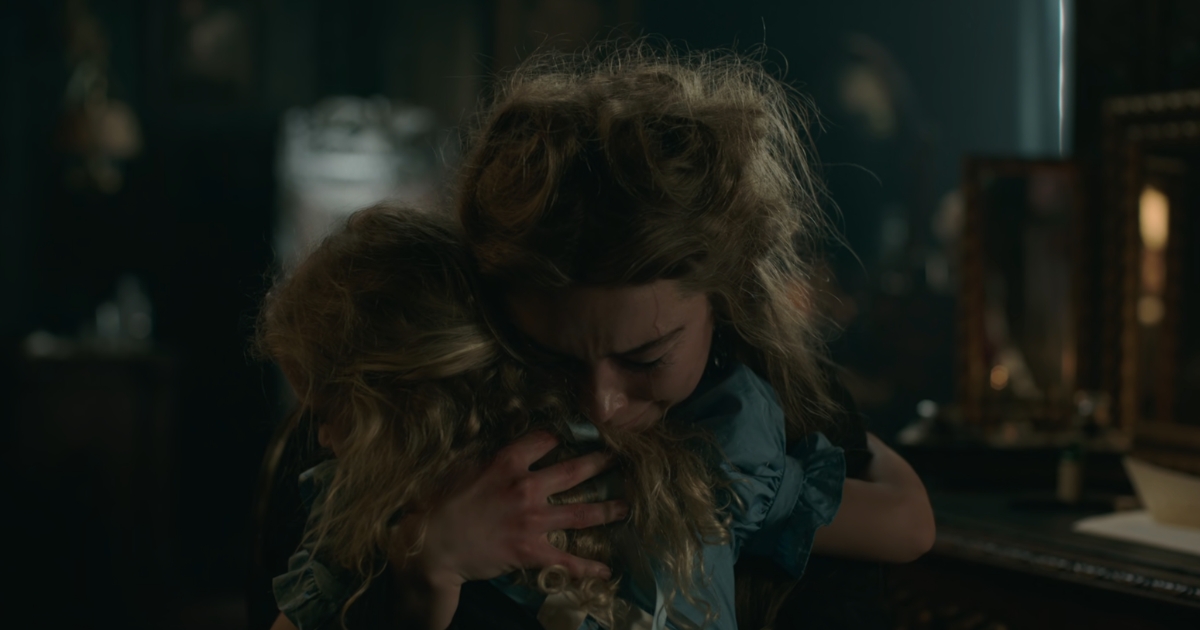
In both John Steinbeck’s 1952 magnum opus and Zoe Kazan’s acclaimed Netflix limited series, Cathy Ames (Kate Albey) remains one of literature’s most enigmatic figures. Played by Florence Pugh in the screen adaptation, Cathy’s cold detachment defines her existence—which makes her final legal decision before taking her own life all the more striking: she leaves her entire accumulated fortune to Aron, the son who despised her, while completely bypassing Cal, the son who sought her out.
Because Steinbeck never offers an explicit internal explanation, Cathy’s will sits at the intersection of tragedy, psychology, and moral philosophy. As series creator Zoe Kazan noted to The Wrap:
“I also ask that question, and I don’t know. That is a mystery to me, and I love that about it. It’s not just one thing.”
Across literary analysis and character psychology, three primary theories explain why Cathy made Aron her sole heir.
1. The Awakening of Maternal Recognition: Confronting Her Own Void
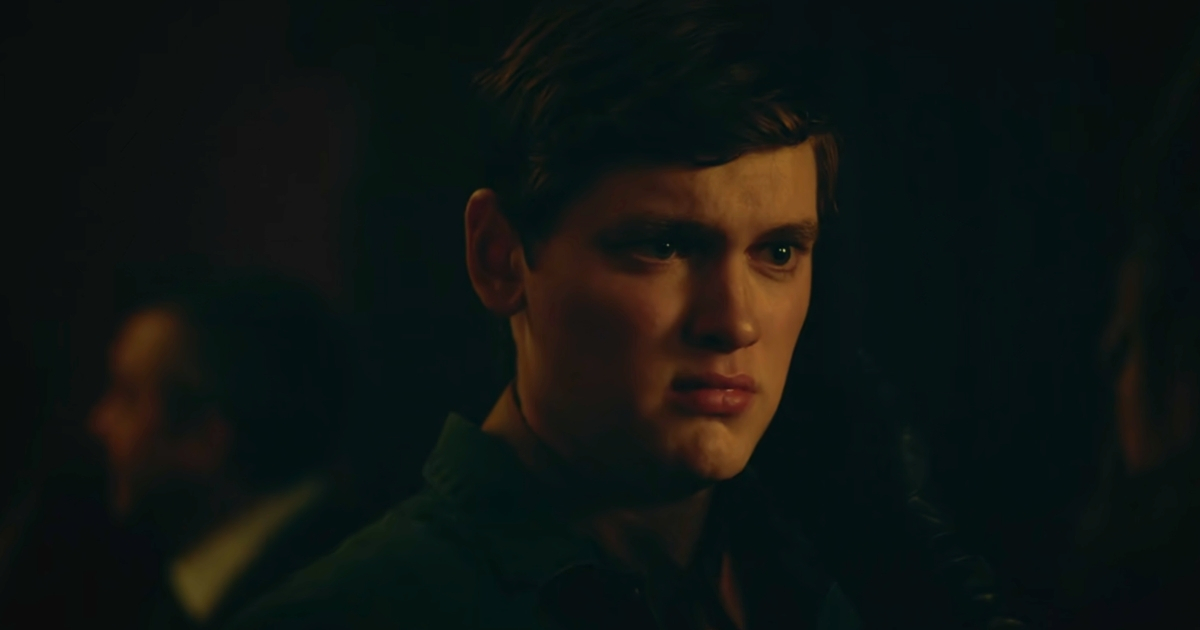
Throughout her life, Cathy operates under the premise that human goodness is an illusion. She views people through a cynical lens, believing everyone harbors the same hidden cruelty and depravity that she does.
However, seeing her twin sons face-to-face shatters that armor:
- The Revelation of Goodness: Meeting Aron forces Cathy to confront an authentic innocence and moral purity she cannot manipulate or dismiss.
- The Catalyst for Suicide: It is only after the confrontation with Aron that Cathy’s psychological descent accelerates into suicide. As Steinbeck writes, she realizes her sons possess something fundamental that she lacks:
“They had something she lacked, and she didn’t know what it was. Once she knew this, she was ready; and once ready, she knew she had been ready for a long time – perhaps all of her life.”
- A Final Amends: Under this reading, willing her estate to Aron is Cathy’s solitary gesture of genuine maternal instinct—an attempt to offer something of value to the boy who revealed the emptiness of her worldview.
2. Pragmatic Protection: Aron Was Weak, While Cal Was a Survivor
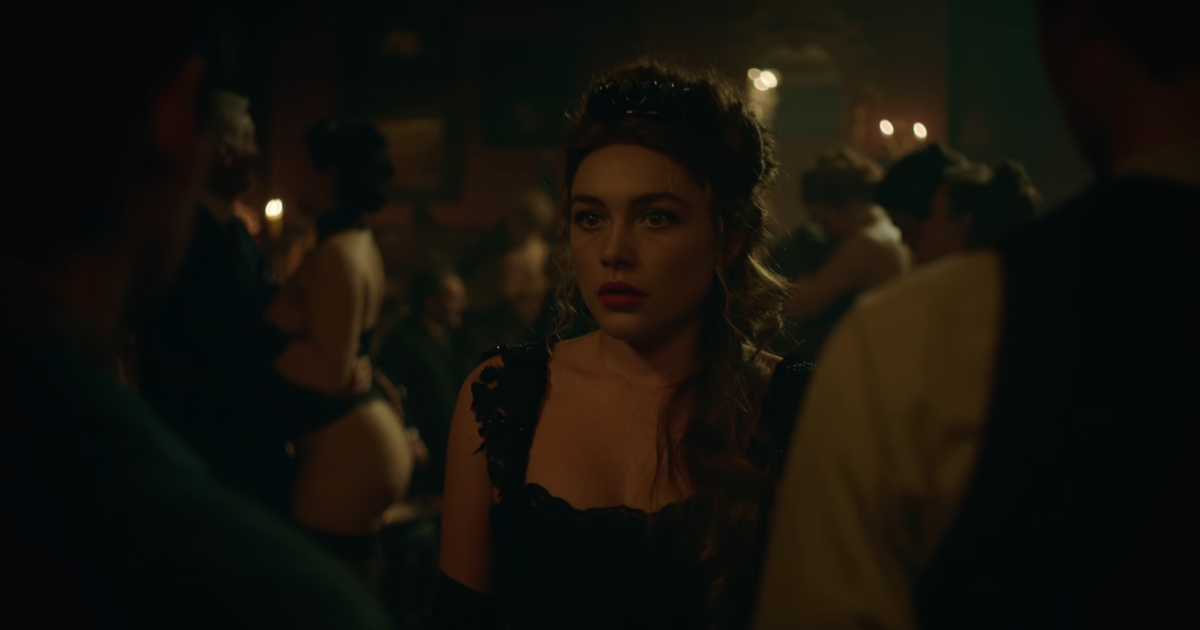
Another prevailing interpretation looks at Cathy’s understanding of human nature. Cathy recognizes her own predatory instincts, cunning, and resilience in Cal (Joseph Zada), while seeing pure, fragile vulnerability in Aron (Joe Anders).
- Cal Can Survive on His Own: Cal proves he can navigate the harsh economic world effortlessly, as shown when he easily amasses $15,000 by trading bean futures during World War I. Cathy recognizes that Cal does not need financial salvation.
- Aron Lacks Survival Armor: Aron mirrors their father, Adam Trask (Christopher Abbott)—idealistic, unbending, and fragile when exposed to reality. Cathy perceives that Aron lacks the emotional armor required to endure life without a safety net.
Leaving the money to Aron is not necessarily a sign that she loved him more; rather, she realized he was the one who could not survive without protection.
3. The Darker Theory: A Parting Act of Spite to Corrupt His Purity
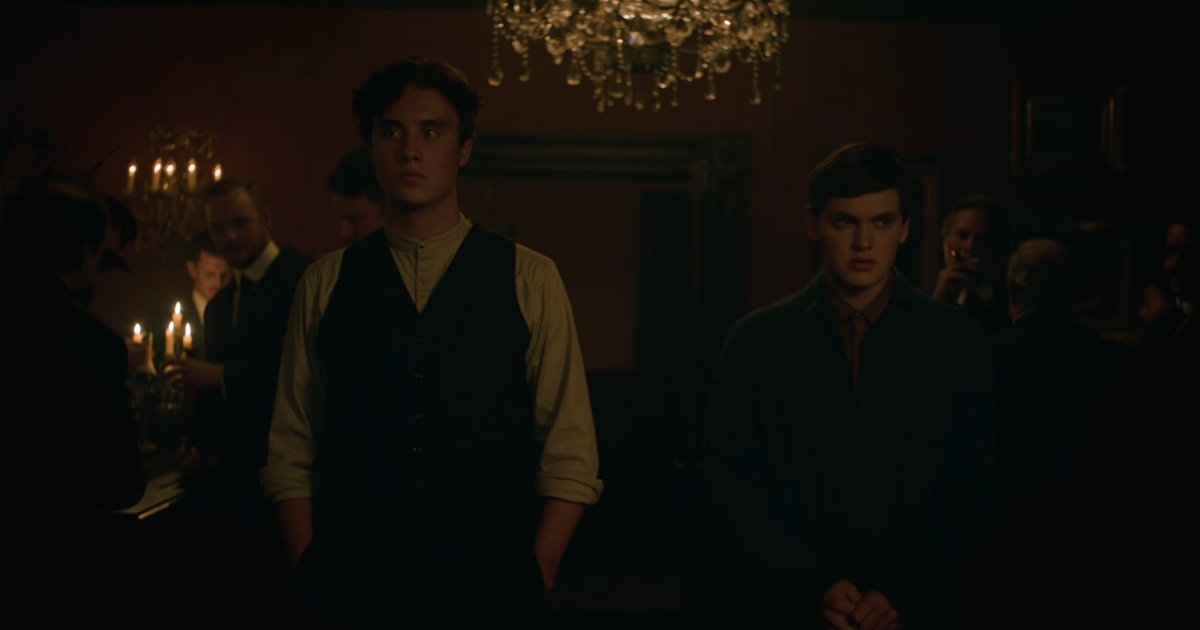
The most cynical reading—rooted primarily in Steinbeck’s original text—interprets the will not as maternal warmth, but as a deliberate act of psychological cruelty designed to corrupt Aron from beyond the grave.
- Tainted Blood Money: Cathy’s fortune was built entirely upon prostitution, extortion, and the murder of brothel owner Faye.
- The Ultimate Humiliation: Aron’s rigid moral code made him physically sick when confronted with his mother’s true profession. Forcing him to inherit and live off the proceeds of a brothel would forever tie his pristine self-image to her sin.
- The Cosmic Irony: In the novel, the Trask housekeeper Lee (Hoon Lee) recognizes this exact irony, laughing to himself at the thought of:
“…Aron, whose purity was a little on the self-indulgent side, living all his life on the profits from a whorehouse.”
The Tragic Culmination
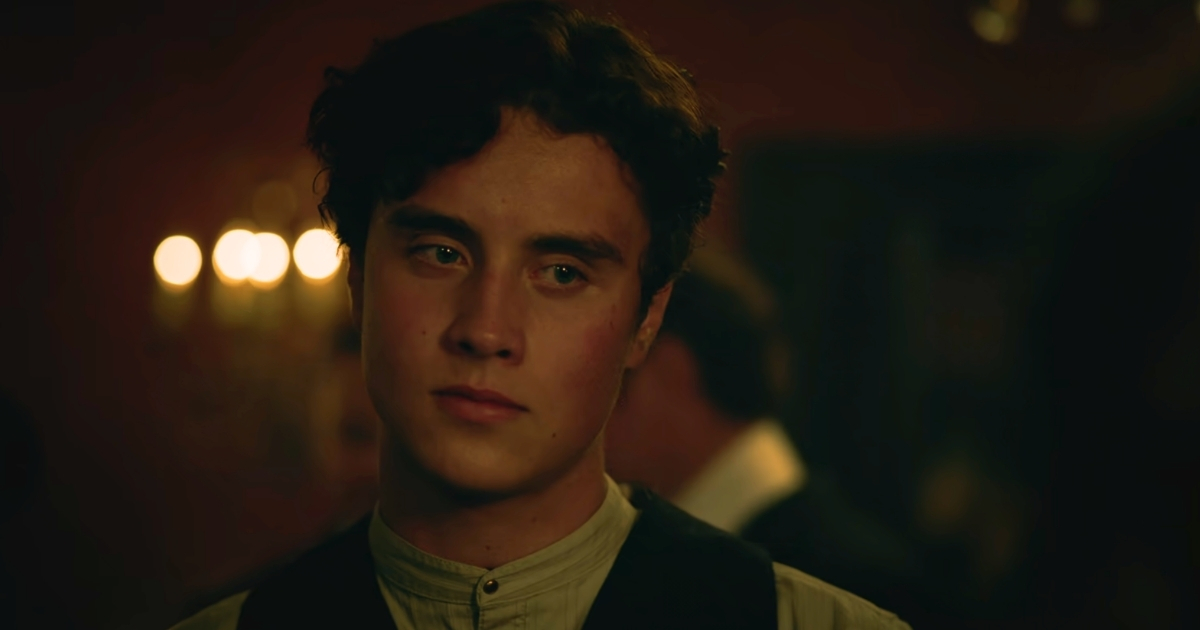
The supreme irony of Cathy’s decision is that neither outcome ever materializes. Aron is killed in action in France before he can ever learn of the inheritance or reject it, leaving the fortune meaningless.
While the novel leans heavier into the predatory and spiteful ambiguities of the act, Kazan’s Netflix adaptation emphasizes Cathy’s fractured psyche. By highlighting her childhood trauma and dissociation, Pugh’s portrayal frames the final will as the desperate, tangled impulse of a dying woman confronting the devastation she wrought—trying, however imperfectly, to touch a world of goodness she could never enter.