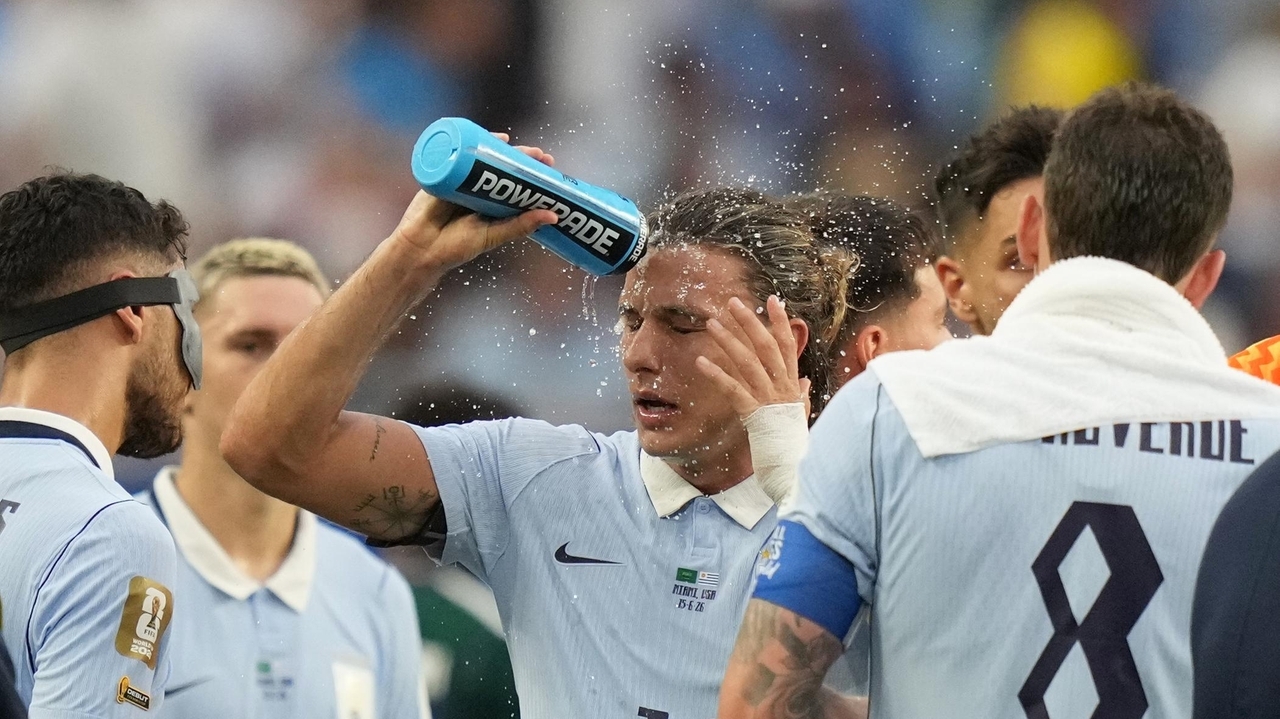
FIFA World Cup Hydration Breaks Could Be ‘Soft-Launched’ in the Champions League
The hydration breaks introduced at the 2026 FIFA World Cup may not disappear when the tournament ends. Former England goalkeeper Ben Foster believes the controversial stoppages could eventually make their way into regular club football, potentially beginning with the Champions League before spreading further.
The three-minute breaks, taken midway through each half, quickly became one of the most divisive features of the World Cup. Critics argued that they disrupted the rhythm of matches and changed the way teams approached the game.
Foster is particularly concerned that the idea could eventually reach the Premier League. For the 2026-27 season, however, the league has confirmed that it will not introduce mandatory hydration breaks across all matches.
Why the hydration breaks proved so controversial
FIFA made three-minute hydration breaks mandatory at the 2026 World Cup, effectively splitting matches into four sections rather than the traditional two 45-minute halves.
The interruptions drew criticism from players and managers who felt they affected the momentum and character of games. USMNT head coach Mauricio Pochettino was among those to voice his opposition.
“I don’t like it. I only like it when the conditions are extreme. But when the conditions are good, it is unnecessary,” Pochettino said.
The commercial implications of the stoppages also attracted attention. Because the breaks create additional interruptions during live broadcasts, they can provide opportunities for advertising.
A 30-second commercial during the World Cup on Fox Sports reportedly cost between $200,000 and $300,000, while prices reached around $750,000 during the later stages of the competition.
The tournament also featured another significant departure from the traditional matchday format. The World Cup final included a Super Bowl-style half-time show, extending the interval to 27 minutes. That was considerably longer than the 15-minute maximum set out in the Laws of the Game.
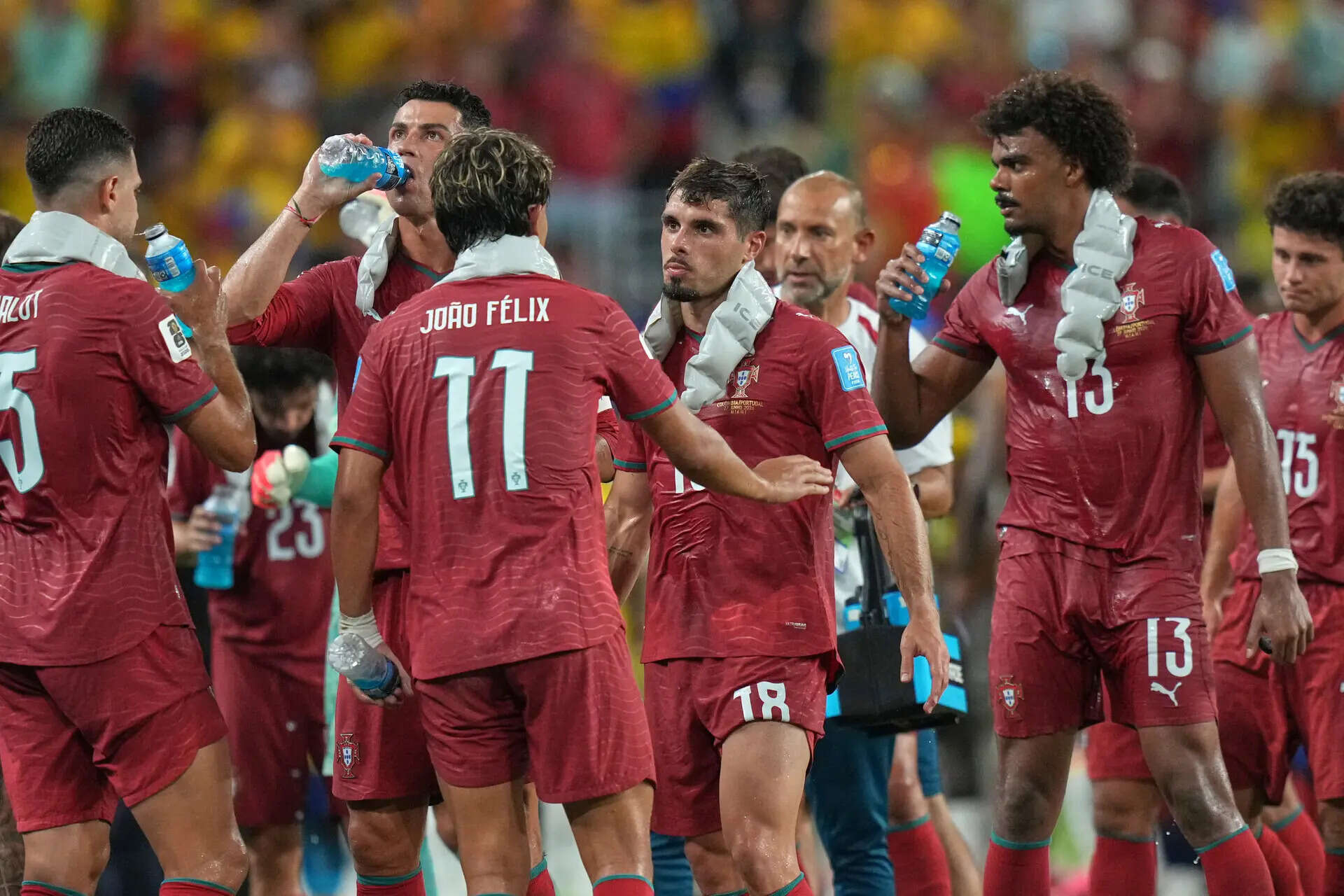
Foster believes football is becoming a game of ‘quarters’
Foster, who has made more than 550 professional appearances for club and country, believes the physical consequences of the breaks could be particularly noticeable for older players.
His concern is that players have less time to stay warm and maintain their readiness before returning to the pitch. For those in their early thirties and beyond, even a short interruption could make it harder to immediately regain full intensity.
Speaking exclusively on talkSPORTDrive, Foster said: “If you’re an older player it does, if you’re about 32 onwards [it will affect you].”
He added: “I would like to think they have bikes in the changing room because they will have to get moving pretty quick, because you can stiffen up so quickly.”
For Foster, though, the bigger issue is what the stoppages do to the nature of the game itself.
“The halves are not even 45 minutes anymore, they’re quarters. It would not surprise me if these hydration breaks crept into the Premier League,” he said.
“It would not surprise me one little bit. Where there’s money to be made, there’s a way. They will find a reason to justify it.”

The Premier League has rejected mandatory breaks
For now, there is no indication that Foster’s prediction is about to become reality in England.
The Premier League has confirmed that mandatory hydration breaks will not be introduced across its matches during the 2026-27 season.
Cooling breaks remain possible when temperatures rise above 30°C (86°F). In those circumstances, the referee can decide before kick-off whether conditions justify an interruption.
That means Premier League matches will not automatically be divided by hydration breaks simply because the World Cup adopted the system.
Why Foster is watching the Champions League
Foster remains concerned that the Premier League’s decision will not necessarily prevent the practice from spreading elsewhere.
His fear is that football could eventually find a financial reason to make the interruptions attractive to clubs, broadcasters or competitions. Once a new feature becomes commercially valuable, he believes it can become difficult to remove.
Foster pointed to VAR as an example. Although the technology remains unpopular with many supporters, he argues that the level of investment behind it makes reversing the decision increasingly difficult.
“There’s nothing we can do as football fans to stop it, they introduced VAR and every single one of us hates it,” Foster said.
“I could do away with VAR tomorrow, but they won’t now because they invested so much money into it.”
He believes the Champions League could provide an opportunity to introduce hydration breaks gradually rather than imposing them everywhere at once.
“They will do a soft launch in the Champions League, for example, you watch. Clubs will say ‘oh we get an extra million quid’,” Foster said.
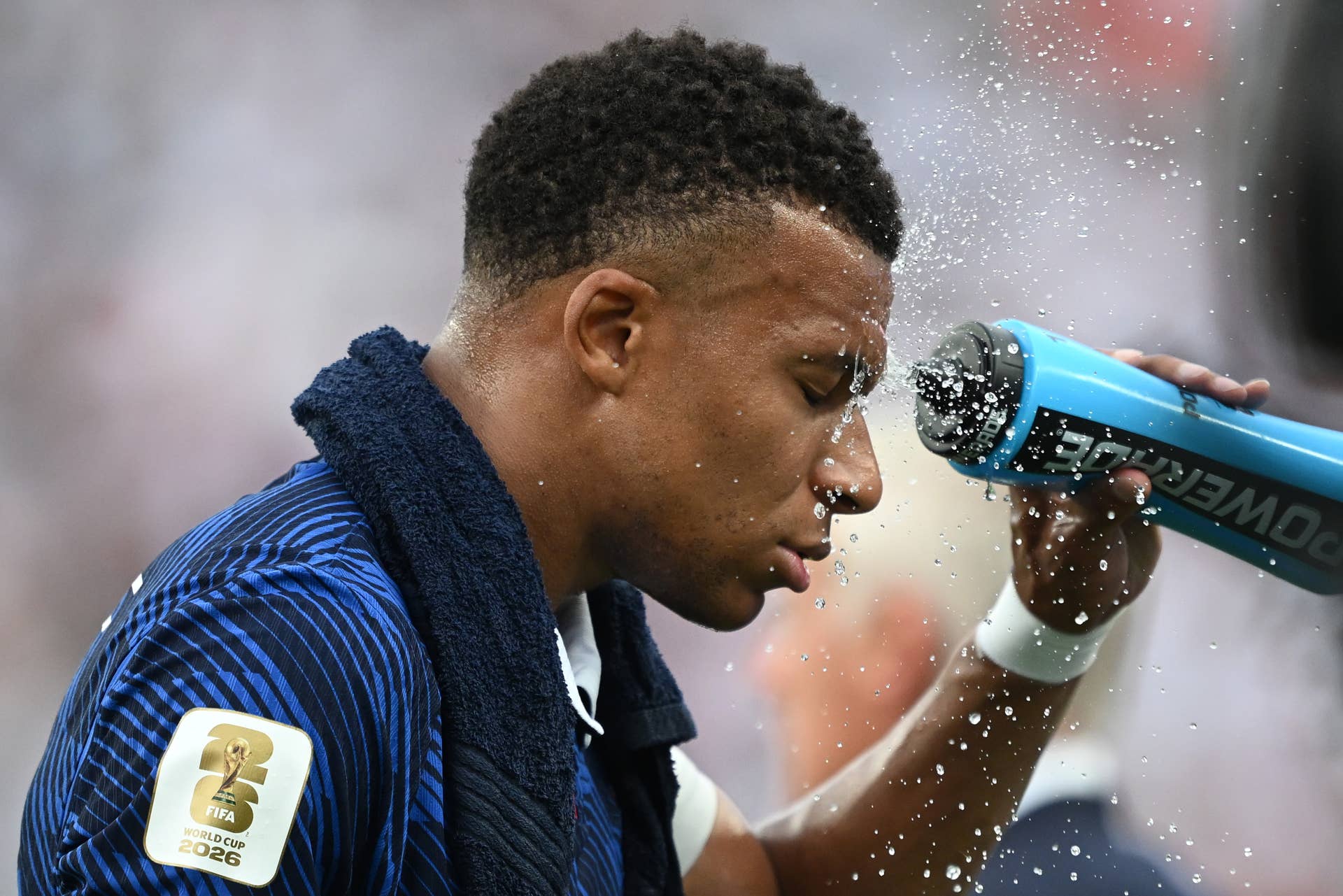
Has the World Cup already changed the way teams play?
Foster also believes the breaks have influenced the tactical approach of teams at the World Cup.
With four distinct sections replacing two uninterrupted halves, coaches and players can treat each break as a natural reset point. That could change how teams manage their energy, tactics and momentum during a match.
“Teams have been approaching games differently because it’s in quarters, so you can break it down into the four parts. But I hate it,” Foster said.
His concerns are shared by other prominent figures in the game.
England manager Thomas Tuchel has previously argued that the interruptions “interrupt and change the identity of a football match”. UEFA, meanwhile, has ruled out introducing the same mandatory hydration-break system in European competition.
For now, there is no mandatory hydration-break policy in the Premier League, and UEFA has no plans to adopt the same approach in its competitions.
Foster’s prediction about the Champions League therefore remains a warning rather than an established development. His concern is less about the current rules and more about what could happen if football’s governing bodies discover a strong commercial incentive behind the idea.
The 2026 World Cup may have introduced the breaks, but whether they remain a tournament-specific measure or eventually become part of club football remains to be seen.