King Charles Refuses To Apologise For Slavery In Major Commonwealth Speech As Andy Burnham’s U-Turn Fuels Debate
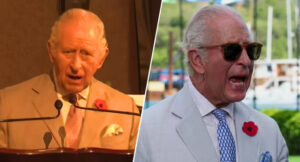
King Charles has addressed Britain’s historic role in the slave trade in front of around 1,200 delegates in Antigua and Barbuda, delivering a carefully worded speech that acknowledged the horrors of slavery but stopped short of the formal apology many nations had hoped to hear.
The monarch’s remarks came amid renewed debate over reparations after Prime Minister Andy Burnham said he would be “open” to the possibility of a British apology. Yet as Charles opened the leaders’ segment of the Commonwealth Heads of Government Meeting (CHOGM) on Tuesday, November 3, he made no such commitment.
Instead, he delivered a message focused on historical responsibility, learning from the past and taking action for the future.

‘History Is Not Ours To Choose Or Change’
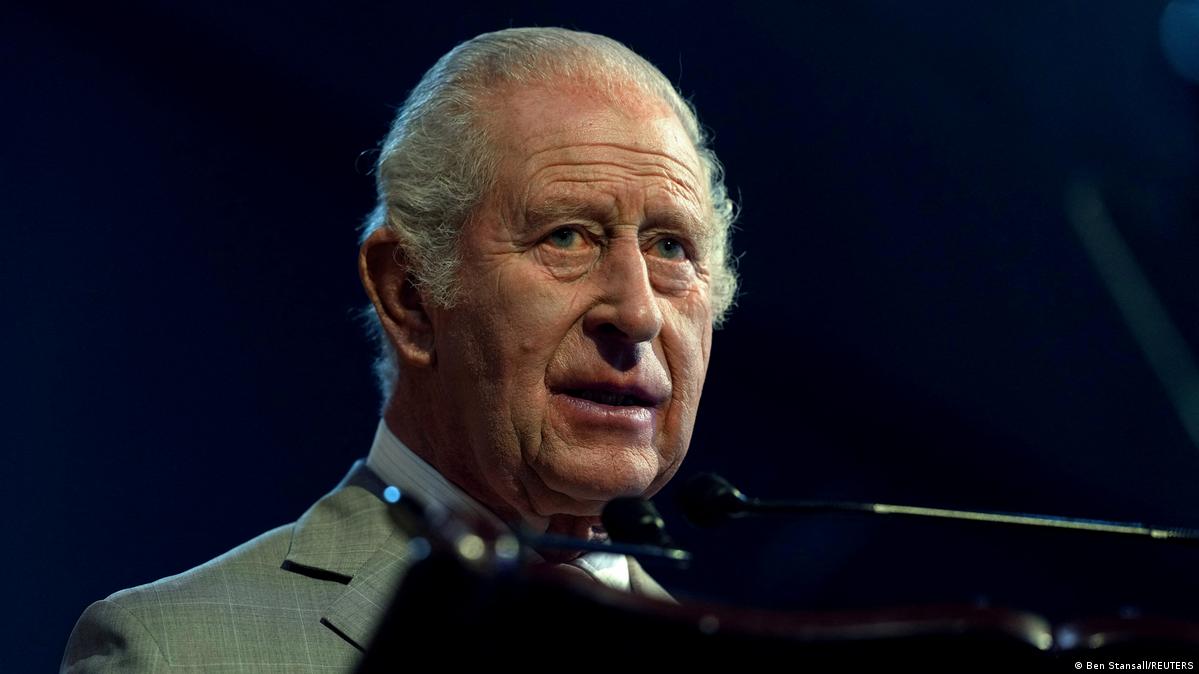
Speaking at the National Performing Arts Centre of Antigua and Barbuda, Charles made clear that the legacy of slavery remains deeply painful, particularly for communities across the Commonwealth.
“History is not ours to choose or change,” the King declared.
“Our history inspires us, can appal us, yet it can always teach us. We cannot change the actions of those who came before us. We can, however, learn from the past.”
He then turned directly to the transatlantic slave trade, acknowledging that its legacy continues to cast a shadow over the region.
“As I have said before, that shameful chapter of history is one that fills my heart with horror and my soul with the most profound personal sorrow,” he said.
Despite the strength of those words, Charles did not issue an apology for Britain’s historic role in the trade.
He also highlighted the Royal Navy’s part in ending the international trafficking of enslaved people, arguing that history demonstrates how courage and determination can confront injustice.
“And yet history also teaches us that evil need not have the last word; that character and courage can combine to overcome the most monstrous injustice, as they did with the determination to end international trade in enslaved people, in which the Royal Navy played such a leading role.”
The speech offered an acknowledgement of the suffering caused by slavery, but no formal apology or commitment to reparations.

Andy Burnham’s Remarks Put The Spotlight On The King
The question of an apology had taken on greater significance after Andy Burnham signalled that Britain could consider formally apologising for its role in slavery.
His comments brought fresh attention to the debate over reparatory justice ahead of the Commonwealth summit, where historical accountability has become a major issue.
Burnham has ruled out financial reparations, however, leaving the possibility of an apology as a separate and contentious question.
“Britain is bringing a new approach to this meeting,” the Prime Minister said as he sought to address the difficult issues expected to dominate discussions.
Charles’s speech reflected the UK Government’s broader position, but the monarch did not go beyond expressing sorrow for the past and supporting action aimed at future progress.
Before the address, Buckingham Palace had stressed that the King’s role remained politically neutral, describing it as one of “inspiring and convening, rather than policy-making”.
The Palace also confirmed that no changes had been made to the speech following the Prime Minister’s comments on Friday night.

Protesters Deliver A Direct Message Outside The Venue
The debate was not confined to the summit hall.
A small group of protesters gathered along the streets leading to the venue, demanding an apology and action on reparations.
Their placards carried pointed messages, including:
- “Crimes against humanity could never be legal. Apologize Now”
- “You say you ‘regret’ so apologize. Reparatory Justice Now!”
The protesters wore T-shirts bearing similar slogans, making their demands clear as Commonwealth leaders gathered inside.
Yet when Charles delivered his reflections on slavery, the audience offered no visible response. The only reported reaction during the speech was laughter when the King described Antigua as a “small Island, big vibes”.
King Vows To Address Past Wrongs Through Future Action
Although Charles stopped short of an apology, he insisted that addressing historical injustice must involve practical efforts to improve people’s lives.
He said he was “committed” to addressing “the wrongs of the past with action for the future”.
The King pointed to several areas where progress could make a difference, including education, employment, economic opportunity, trade between Commonwealth members and climate resilience.
“Through improving access to education, investing in jobs and opportunities, encouraging intraCommonwealth trade, and inspiring vital climate resilience measures across the world, I have always felt that there is so much that can be done to help lift up those who struggle against hardship and disadvantage,” he said.
“I have always tried to play my part in doing just that.”
The emphasis was firmly on future cooperation rather than a formal reckoning through an apology or financial compensation.
Climate Change, Conflict And Technology Also Feature
Slavery was a central issue in the build-up to the summit, but Charles used his opening address to highlight the wider challenges facing the international community.
He warned of the “catastrophic reality” of climate change and the “dizzying speed” at which technology is transforming societies and economies.
“Brutal conflict stalks our world, destroying lives and casting long shadows across the globe. Technology is transforming our societies and our economies at dizzying speed, with little certainty about where it might lead us,” he said.
The King also warned that trust between nations was under severe pressure as international rules and institutions faced mounting challenges.
“All around us, trust between nations is under critical strain, as international norms and systems are tested to their limits,” he said.
Against that backdrop, Charles argued that the Commonwealth had an important role to play in bringing countries together.
The organisation, he said, offered an “unparalleled opportunity to work together”, drawing on the collective ingenuity of a third of humanity to tackle shared problems.
“This, it seems to me, is the vital essence of the Commonwealth. It lives in the people we serve,” he added.
He urged delegates to use the summit to advance climate action, international trade and opportunities for young people, calling on them to turn their discussions into tangible commitments.
‘What Happened In The Darkness Must Come To The Light’
The themes of slavery and historical memory continued after the King’s address, when performers took to the stage for a roughly 30-minute presentation tracing the history of Antigua and Barbuda.
A choir and dancers in costume performed a series of musical scenes, while a video displayed behind Charles appeared to depict enslaved people working the land.
The presentation made its message unmistakable when one of the singing dancers shouted: “What happened in the darkness must come to the light.”
The performances also addressed climate and environmental concerns, linking the country’s history with the wider challenges facing the region today.
Charles remained seated throughout, at times tapping his feet and clapping his fingers in time with the music.
Once the performances ended, representatives of the Commonwealth’s member states gathered on stage for the traditional group photograph.
A Message Of Unity, But No Apology
Charles concluded his address by urging Commonwealth leaders to renew their commitment to cooperation and give younger generations greater confidence in the future.
“I trust that each of you will recommit yourselves to a Commonwealth in which our young people can look to the future with greater confidence and purpose,” he said.
He expressed hope that the organisation could continue to offer people inspiration and a sense of possibility.
But the central question surrounding his appearance remained unresolved.
The King acknowledged the horror of slavery, recognised its continuing legacy and called for action to address disadvantage. He also highlighted Britain’s role in ending the international slave trade.
What he did not do was apologise for Britain’s historic role in slavery.
With reparations still a divisive issue and Burnham having opened the door to the possibility of a formal apology, the speech underscored the difficult balance between acknowledging historical wrongdoing and deciding what accountability should look like today.