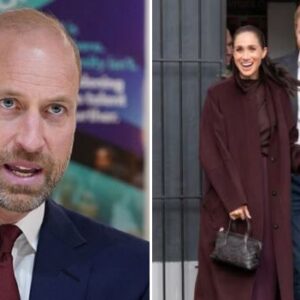
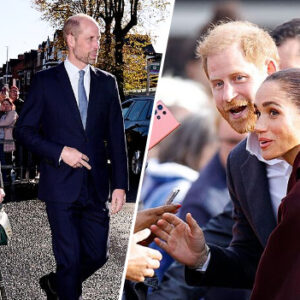
Harry and Meghan Face Fresh Royal Tensions After Criticising the Term “Working Royals”
Prince Harry and Meghan Markle have sparked fresh debate over their relationship with the monarchy after reportedly expressing their dislike of the term “working members of the Royal Family”. The comments have raised questions about how the Duke and Duchess of Sussex view their place within the institution, particularly following their recent visit to Nottingham, which closely resembled an official royal engagement.
In an opinion piece, the Express’s Eleanor Burleigh argues that the couple’s latest stance risks deepening tensions with King Charles, Prince William and Princess Kate, while undermining the distinction between royal family members who carry out official duties and those who pursue independent lives.

Sussexes Challenge the Traditional Definition of Working Royals
According to The Sunday Times, a friend of the couple criticised the terminology used to describe royals who perform official duties on behalf of the monarch.
“‘Working members of the Royal Family’ is a really lazy phrase. He hates it, she hates it. They are not ‘working’ for the institution, but they are members of the Royal Family, and they work,” the source said.
The comments suggest that Harry and Meghan object to the implication that their work should be defined by their relationship with the monarchy. However, their position has drawn criticism from royal commentators who argue that the distinction exists to clarify who officially represents the Crown.
Their reported dissatisfaction comes shortly after their joint visit to Nottingham last week. The trip featured several elements associated with a formal royal engagement, including a coordinated walkabout and press coverage.
That resemblance has fuelled questions about whether the Sussexes are attempting to maintain a public role associated with the Royal Family while operating independently of the institution.

The Late Queen’s Decision Still Shapes the Dispute
At the heart of the disagreement is a long-standing issue that emerged when Harry and Meghan stepped back from their senior royal roles.
The late Queen Elizabeth II made clear that a so-called “half-in, half-out” arrangement, which would have allowed the couple to combine royal responsibilities with commercial independence, was not workable.
The Sussexes ultimately pursued a different path, building their own professional activities while retaining their family connections and royal titles.
Burleigh argues that their latest position risks reviving the same fundamental conflict. By undertaking public-facing visits that resemble official royal engagements while distancing themselves from the institution’s traditional framework, Harry and Meghan could create the impression of a parallel royal operation.
Their supporters may see their approach as an expression of independence, but critics question whether the couple can separate their public identities from the Crown while continuing to draw attention to their royal status.
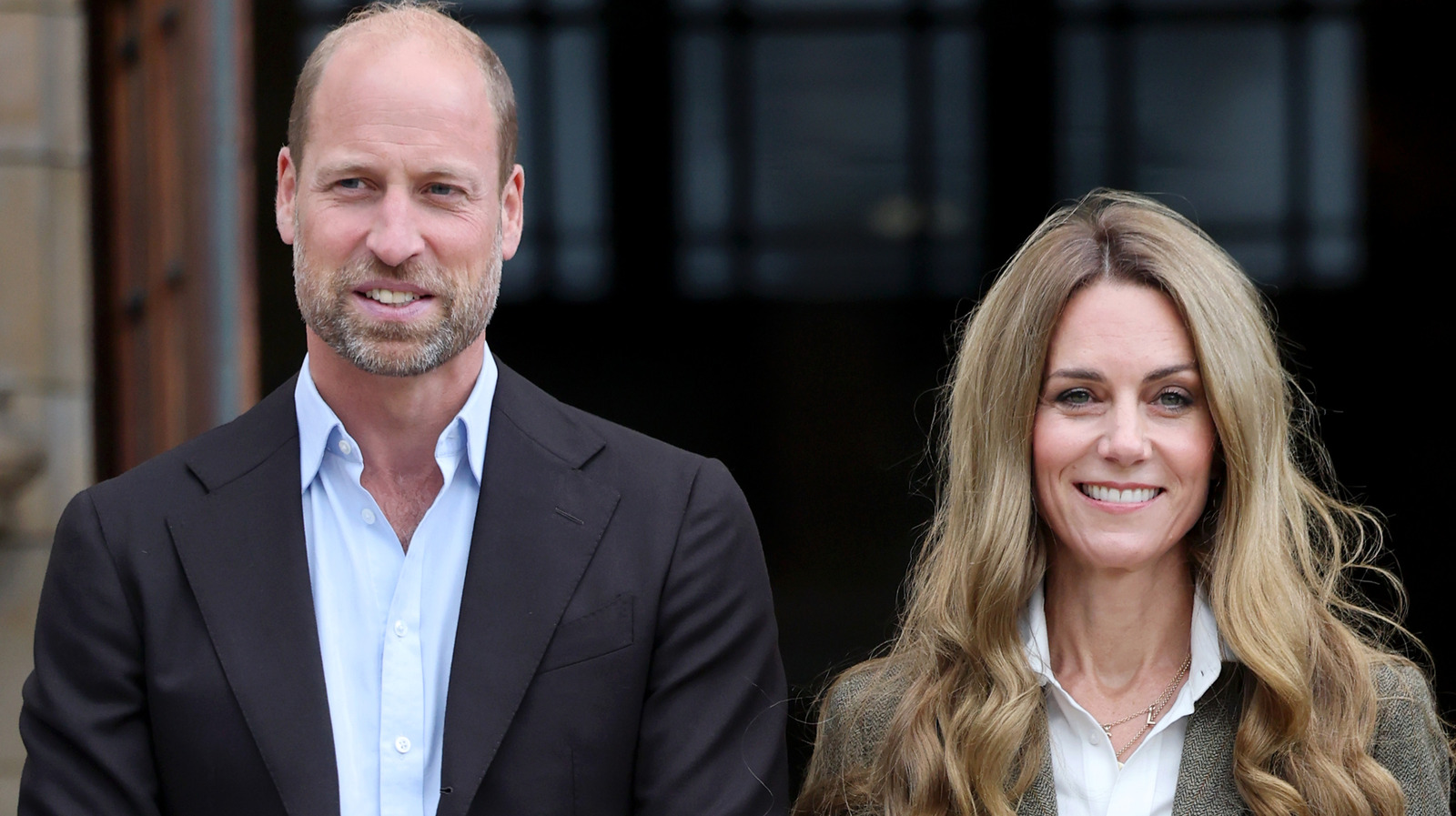
Why the Nottingham Visit Has Raised Eyebrows
The Sussexes’ appearance in Nottingham has become a particular point of contention because of the way the visit was organised and presented.
Although the couple’s activities were not officially undertaken on behalf of the Crown, the presence of a press pool and a carefully coordinated walkabout reportedly made the occasion difficult to distinguish from a conventional royal engagement.
A friend of the couple offered a different interpretation, explaining that events such as the Nottingham visit were not carried out in the name of the institution or the Crown. The source also emphasised that Harry remains a member of the Royal Family because he is the King’s son.
There is an important distinction between undertaking charitable work as private citizens and representing the monarchy in an official capacity. Harry and Meghan are free to support causes independently, but the way they conduct public engagements can influence how those activities are perceived.
Burleigh contends that challenging the language traditionally used to describe working royals does little to resolve that tension. Instead, she argues, it risks diminishing the contributions of those who continue to perform official duties.
A Different Vision of the Monarchy From Prince William
The disagreement also highlights the contrasting approaches to royal life associated with Harry and his older brother, Prince William.
William has been linked to a vision of the monarchy that embraces modernisation while preserving its established responsibilities and traditions. The Sussexes’ desire to maintain an independent public profile has frequently been viewed by critics as being at odds with that model.
Relations between the brothers have been strained for years, and William has reportedly viewed Harry and Meghan’s Nottingham visit as “distasteful”.
The Prince of Wales has not publicly commented on his brother’s latest return to Britain. His failure to meet Harry during the visit, however, has attracted attention amid continuing speculation about the state of their relationship.
Burleigh suggests that Harry’s apparent determination to maintain a role outside the traditional royal structure could also reflect concerns about the direction the monarchy may take under William’s future reign.
As heir to the throne, William is expected to uphold the institution’s boundaries, although the precise approach he would take towards his brother and sister-in-law remains uncertain.

Could Harry and Meghan’s Royal Titles Become an Issue?
The question of the Sussexes’ titles has also resurfaced amid reports that their latest activities have further frustrated members of the Royal Family.
Some reports suggest that the possibility of removing Harry and Meghan’s titles could be considered when William eventually becomes king, particularly if the couple continue to undertake activities perceived as crossing established royal boundaries.
However, no confirmed decision to remove their titles has been announced in the article, and the suggestion remains speculative.
For now, the central dispute concerns how Harry and Meghan balance their status as members of the Royal Family with their independent professional and charitable work.
The couple were reportedly pleased with their Nottingham visit, but Burleigh argues that their satisfaction may prove short-lived if their approach continues to generate friction with the monarchy.
Ultimately, the Sussexes can choose how they conduct their lives and pursue their work. Whether their preferred arrangement can coexist with the expectations of the institution they remain connected to is a separate question, one that continues to place their relationship with King Charles and the future King William under scrutiny.