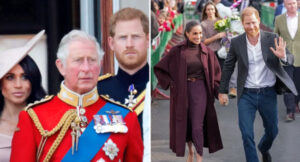
Prince Harry and Meghan Markle reportedly have a strong objection to being described as “working members of the royal family”, with a friend of the couple calling the phrase a lazy way of defining their roles.
The term is commonly used to distinguish members of the monarchy who carry out official engagements on behalf of the institution from those who do not. However, Harry and Meghan reportedly believe the description fails to reflect their position as members of the royal family who continue to pursue their own professional and charitable work.
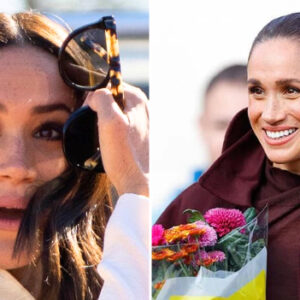
The comments come after the Duke and Duchess of Sussex made their first joint public appearances since returning to the UK, visiting Nottingham last week.
Speaking to The Sunday Times, a friend of the couple said: “‘Working members of the royal family’ is a really lazy phrase. He hates it, she hates it.
“They are not ‘working’ for the institution but they are members of the royal family and they work. Their days are built around their family life and their work. She’s running a business seven days a week.”

Harry and Meghan Also Reject the Term ‘Former Royals’
The Sussexes reportedly take similar issue with being described as “former royals”, arguing that the phrase gives the public a misleading impression of their status.
Although Harry and Meghan stepped back from their roles as working royals in 2020, the couple’s friend stressed that this did not mean they had ceased to be members of the royal family.
“Things like Nottingham aren’t done in the name of the institution or the crown, but Harry is the son of the King, he is still a member of the royal family, he’s just not a member of the institution,” the friend explained.
“It’s misleading to call them ‘former royals’. It has an impact on how they’re perceived and the way people talk about them.”
The remarks could add to the ongoing tension between the Sussexes and the wider royal family, particularly as questions about their status and relationship with the monarchy continue to attract attention.
King Charles has reportedly not seen Harry and Meghan since their return to the UK in August. In September, the monarch issued a letter to government departments, military officials and lord-lieutenants reiterating that the couple are non-working royals.
According to The Times, the letter also stated that they should be treated as “private citizens with commercial and charitable interests”.

Questions Raised Over the Welcome Harry and Meghan Received in Nottingham
The debate surrounding the couple’s status follows their recent visit to Nottingham, where they received a warm reception from members of the public.
However, HELLO!’s royal correspondent Eleanor Dye subsequently reported that people in the crowds had been encouraged to cheer when Harry and Meghan appeared.
The revelation was discussed by HELLO!’s Royal Editor Emily Nash and Editorial Director Andrea Caamano on the latest episode of the A Right Royal Podcast.
Emily acknowledged that the Sussexes have a dedicated following and suggested their longstanding connection with Nottingham may have helped ensure a positive reception.
“We know that they have a dedicated following, but people in the city (Nottingham) in particular feel warmly towards them because of this long-standing connection,” she said.
“I’m not sure that might have been the same in other parts of the country but as we’ve already discussed, I think it was definitely a safe place for them to go to and know they would receive that kind of welcome.”

Emily also noted that Andrea had observed details during the visit that raised questions about whether aspects of the welcome had been organised in advance.
Andrea explained that Eleanor, who attended the event, had reported that charity representatives approached members of the crowd before the couple arrived.
“At the second engagement she did say to us that people from the charity, not related obviously to Harry and Megan, did come out before they arrived and told the crowds, ‘Make sure you cheer very loudly when they come out’ and ‘You can say, Meghan, I love you’, which I thought is strange,” Andrea said.
She suggested the organisers might have wanted to prepare the crowd because they could not be certain how people would react to the couple’s arrival.
“But I wonder if the charity was maybe worried. They did see a big crowd and you never know how the crowd is going to respond. So I wonder if they were warming them up before their arrival,” she added.
Emily agreed that the reported instructions were unusual, saying she had rarely encountered similar situations before a royal appearance.

“I’ve never really seen that happen apart from perhaps if you have a group of school children who are told to stop fighting for example, or, ‘Make sure you sing nicely’ or something like that just before a member of the royal family arrives,” she said.
“So that in itself is interesting.”
The Nottingham visit marked Harry and Meghan’s first joint public appearance since their return to Britain. While their supporters appeared pleased to see them, the reported instructions to the crowd have prompted fresh discussion about how the couple are received during public engagements.
Against that backdrop, their reported frustration with labels such as “working royals” and “former royals” highlights a continuing disagreement over how their position should be understood following their decision to step away from official royal duties in 2020.