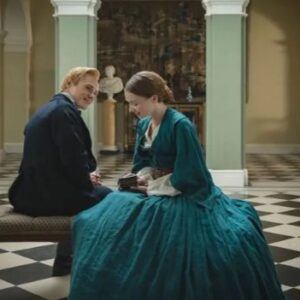
With oversized bed bugs, poisonous arsenic, a suspicious teapot and a seemingly endless succession of husbands, ITV’s Dark Angel wastes little time establishing the sinister world of Mary Ann Cotton, one of Victorian Britain’s most notorious serial killers. The two-part drama, starring Downton Abbey actress Joanne Froggatt, follows a woman whose ordinary domestic life conceals a chilling pattern of death, deception and financial gain.
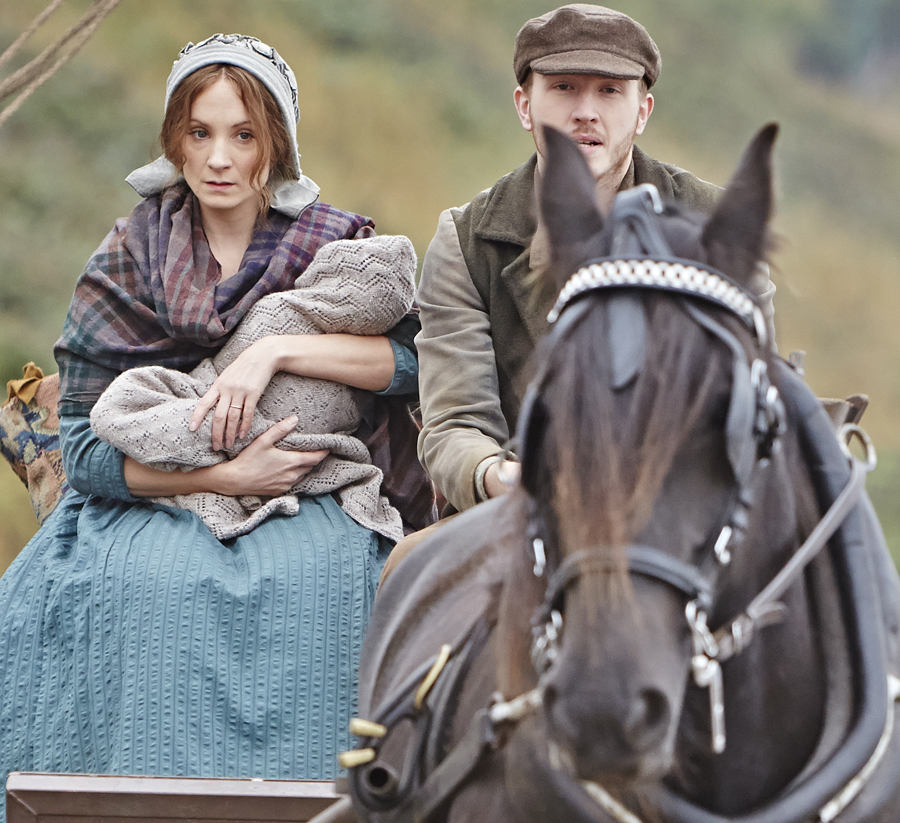
The story begins in Sunderland, where Mary Ann arrives from nearby Seaham with her unemployed first husband and their only surviving child. While cleaning their miserable rented accommodation, she discovers an infestation of enormous bed bugs in the mattress.
A visit to the chemist provides an apparently simple solution: arsenic. The pharmacist explains that customers must now record their names before buying the poison, following government restrictions on its sale.
Mary Ann understands exactly what the chemical can do. She even warns her daughter to stay away from it because it is poisonous and kills bugs. The explanation is almost comically obvious, but the message is unmistakable: this woman has just discovered a potentially deadly tool.
A Deadly Recipe for Financial Gain

The opening episode quickly assembles the essential ingredients of Mary Ann’s murderous scheme. Her husband is unemployed and increasingly useless to her, a new romantic interest is waiting in the wings, and arsenic offers a convenient way to remove the obstacles in her path.
That new man is Joe Natrass, a rough-edged but handsome character who flirts with Mary Ann at the chemist. Their attraction hints at another relationship to come, while the drama makes little effort to disguise the likelihood that her current marriage will not last much longer.
There is also the matter of life insurance. Mary Ann’s stepfather, George, played by Alun Armstrong, arranged a policy for her first husband. She soon recognises the financial opportunities that insurance can offer and begins making sure her subsequent partners are covered as well.
Then there is the teapot.
Initially, it appears to be an ordinary brown family heirloom given to Mary Ann by her mother. But it soon becomes an instrument of murder, allowing her to slip small amounts of poison into her husband’s tea. Before long, her first husband is suffering violently after drinking from it.
The domestic ritual of preparing a cup of tea becomes one of the drama’s darkest recurring images. What should represent comfort and family life instead becomes a means of delivering a slow and painful death.
A Grim Cycle of Marriage, Poison and Death
As Dark Angel progresses, it establishes a bleak routine. Mary Ann scrubs floors, carries water and struggles with overdue rent, reflecting the hardships of working-class life in Victorian England. Relationships and sex offer occasional relief, but they also lead to more pregnancies and more children.
The repeated deaths of the children introduce another unsettling question. Are they victims of Mary Ann’s actions, or are they dying from illnesses such as scarlet fever and typhoid, which were common dangers at the time? The opening episode leaves the extent of her involvement uncertain.
The murders of her husbands, however, become the central attraction of the story. Each follows a grimly familiar pattern: a man loses his job or becomes less useful to Mary Ann, she ensures that he has life insurance, and the pair settle down for what appears to be an ordinary cup of tea.

Then comes the familiar consequence. Another husband dies, another coffin is lowered into the ground, and Mary Ann moves closer to the next opportunity.
After one killing, she takes a solitary walk along the windswept beach, apparently reflecting on her own wickedness. Soon afterwards, she meets Joe Natrass beneath the pier for a sexual encounter before collecting her insurance payout.
The sum is £35 — the price attached to a husband’s death in Mary Ann’s grim financial calculations.
By the end of the first episode, she has already disposed of more than one husband and is well into her next relationship. The pattern suggests that the body count will continue to rise.
Joanne Froggatt Leads a Darkly Unsettling Performance
![SERIES] Dark Angel (2016). The story of Mary Ann Cotton, Britain's first female serial killer. : r/PeriodDramas](https://preview.redd.it/series-dark-angel-2016-the-story-of-mary-ann-cotton-v0-xdk00n2jwrjc1.jpg?width=640&crop=smart&auto=webp&s=fbd4e053d35cd7127ed925c0b7510479a236acdd)
Joanne Froggatt, best known for playing Anna Bates in Downton Abbey, brings Mary Ann to life in a drama that deliberately mixes grim subject matter with moments of dark humour. The character’s matter-of-fact attitude towards arsenic and insurance makes her behaviour all the more disturbing.
Alun Armstrong also makes an impression as George, Mary Ann’s stepfather. Unlike the husbands who pass through her life, he remains a constant presence, lending the story a more emotional dimension.
The regional accents add to the atmosphere, grounding the characters in the North East of England. Even the dialogue surrounding murder and financial gain can acquire an oddly entertaining quality when delivered in the local dialect.
Yet the production’s approach is not subtle. The clues are placed conspicuously in front of the audience, from the chemist’s warnings about arsenic to the recurring appearance of the teapot. The plot, like the enormous bed bugs that introduce it, rarely allows viewers to overlook what is happening.
That heavy-handed style can make the drama feel exaggerated, but it also gives the opening episode a peculiar, macabre energy.
A Gallows in Durham Awaits
The series begins by revealing where Mary Ann’s story is heading: Durham Gaol, where a large gallows stands in the prison yard.
Her stepfather visits to say goodbye, recalling the happiness she once brought to the family. Mary Ann responds with a nostalgic reflection on those earlier days, creating a melancholy contrast with the crimes that have brought her to this point.

The framing device makes the destination clear from the outset, even as the drama works through the events that lead there. Rather than building towards a surprise, it invites viewers to watch the pattern of deception and murder unfold.
The result is an unusual blend of historical crime drama, grim comedy and macabre spectacle. The first episode may not always achieve the tone it appears to intend, but its unapologetically dark approach makes it difficult to ignore.
Verdict: A Macabre Victorian Tale With Dark Humour
Dark Angel is grim, sometimes heavy-handed and occasionally unsettlingly funny. Its repeated images of poison, insurance policies and family tragedy make for a bleak portrait of Mary Ann Cotton’s crimes, while Joanne Froggatt anchors the drama with a compelling central performance.
I may not have the appetite for the second episode, but the first proved thoroughly entertaining — perhaps not always for the reasons the makers intended. As a Halloween viewing choice, it delivers a particularly dark kind of fun.
Also Worth Watching: The Crown
Netflix’s The Crown, arriving on Friday, offers a very different kind of historical drama. Claire Foy is convincing as Queen Elizabeth II, following her earlier portrayal of Anne Boleyn, while Matt Smith takes on the role of Prince Philip. It is a polished and impressive production well worth watching.
Remove unsupported plot certaintyClarify the review’s episode scope