Prince William Reveals the King He Wants to Become – and Prince Harry Faces an Uncomfortable Contrast
While Prince Harry and Meghan Markle continue to attract attention overseas, Prince William is taking a very different approach to his future role. His latest project offers a glimpse of the priorities he hopes to bring to the throne: hard work, public service and a commitment to issues affecting Britain.
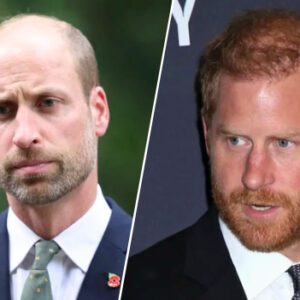
The contrast has become particularly striking this week, as the Prince of Wales puts the finishing touches to a landmark edition of Country Life magazine, while the Duke and Duchess of Sussex make another high-profile appearance in Brussels.

William’s 300-Page Project Reveals His Approach to Duty
The special commemorative edition of Country Life, guest-edited by William, is the largest royal edition in the magazine’s history. Almost 300 pages long, it represents nearly a year of preparation and gives a revealing insight into how the future King approaches his responsibilities.
According to Paula Minchin, the magazine’s Managing and Features Editor, the project began at the Windsor Estate Office, where William outlined his vision from the outset.
His involvement was far from a ceremonial gesture. When the page proofs were ready in October, William reportedly spent two hours reviewing the copy word by word, armed with handwritten notes.
There was no documentary crew following his every move or elaborate publicity campaign surrounding the process. Instead, he focused on the editorial work itself, using a respected British publication, which has appeared weekly since 1897, to highlight issues he believes deserve attention.

The Issues William Wants to Put in the Spotlight
The subjects chosen for the edition offer a picture of the kind of leadership William hopes to represent.
Among the key themes are responsible land management, sustainable housing and the experiences of women serving in the armed forces.
The issue explores efforts to build sustainable homes using hemp on the Duchy of Cornwall estate. It also includes an investigation into injustices faced by women in the military, with the aim of ensuring servicewomen feel “safe, respected and valued”.
Alongside those serious subjects, readers are offered a more personal look at William’s connection to the British countryside. The edition features the gardens at Highgrove and touches on his enjoyment of wild swimming, walking and spending time outdoors with his children.
Together, the editorial choices combine traditional royal interests with practical concerns about the country’s future.

Meanwhile, Harry and Meghan Return to the International Spotlight
The timing has sharpened comparisons with Harry and Meghan, who have recently appeared in Brussels.
Since stepping away from royal duties, the Sussexes have continued to undertake high-profile overseas engagements, often attracting attention through public appearances, carefully arranged photographs and speeches on international issues.
The Express commentary argues that these visits can resemble unofficial royal tours, despite the couple no longer carrying out duties as working members of the monarchy.
Harry’s position has always been different from William’s. Growing up as the so-called “spare”, he knew his older brother was expected to become King, while his own place in the line of succession would diminish as William’s family grew.
The article points to their great-grandfather, George VI, as a rare example of a royal spare who eventually became monarch.
Against that background, Harry’s decision to leave royal life may have seemed understandable. But the commentary suggests that, six years after stepping away, he has yet to fully leave behind the international attention that came with his former position.

A Different Vision of the Monarchy
The central difference, according to the Express, is how the two brothers now approach public life.
Harry and Meghan have built a profile as private citizens through international appearances and media projects. William, meanwhile, is preparing for a constitutional role that requires a different kind of commitment.
His work on Country Life may not have the spectacle of an overseas tour, but the time spent shaping the edition demonstrates a hands-on approach to his responsibilities.
Rather than placing himself at the centre of the story, William has used the platform to draw attention to the countryside, sustainable development and the experiences of servicewomen.
For the future King, the message is clear: his vision of the monarchy is rooted in continuity, practical work and public duty.
And while Harry continues to seek a place in the international spotlight, William’s latest project offers a quieter but significant indication of the kind of King he intends to become.