Queen Elizabeth’s Most Personal Palace Rules Revealed: From Precisely Measured Bathwater to Her Morning Tea Ritual
Queen Elizabeth II expected extraordinary precision from the staff responsible for her private quarters. Even the smallest details of her morning routine were governed by strict instructions, from the temperature and depth of her bathwater to the exact time her first cup of tea was delivered.
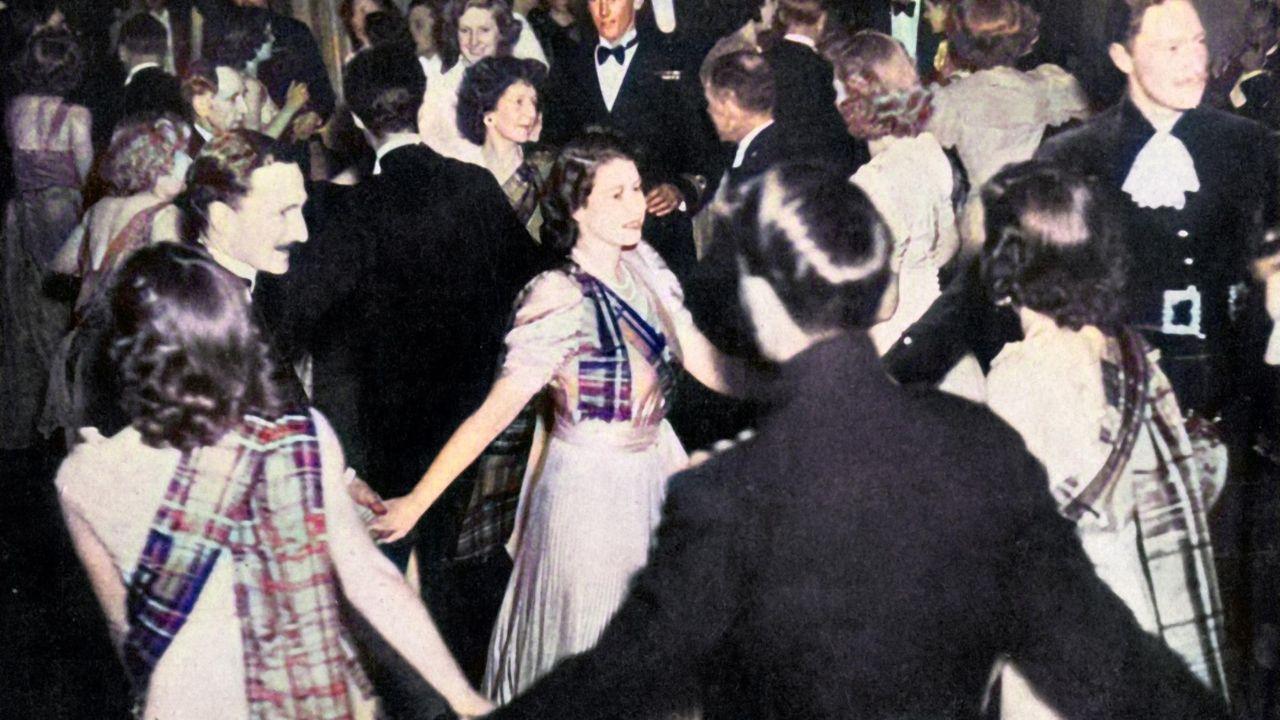
But behind the carefully controlled royal routine was a more playful side of the late monarch. Her longtime dresser and confidante Angela Kelly revealed that the Queen occasionally broke into spontaneous dancing during their morning preparations, particularly when one of her favourite ABBA songs came on.
Details from royal author Giles Brandreth’s book Elizabeth: An Intimate Portrait, alongside Kelly’s recollections, offer a rare glimpse into the daily life of the monarch behind palace doors.
Queen Elizabeth’s Strict Morning Routine Revealed
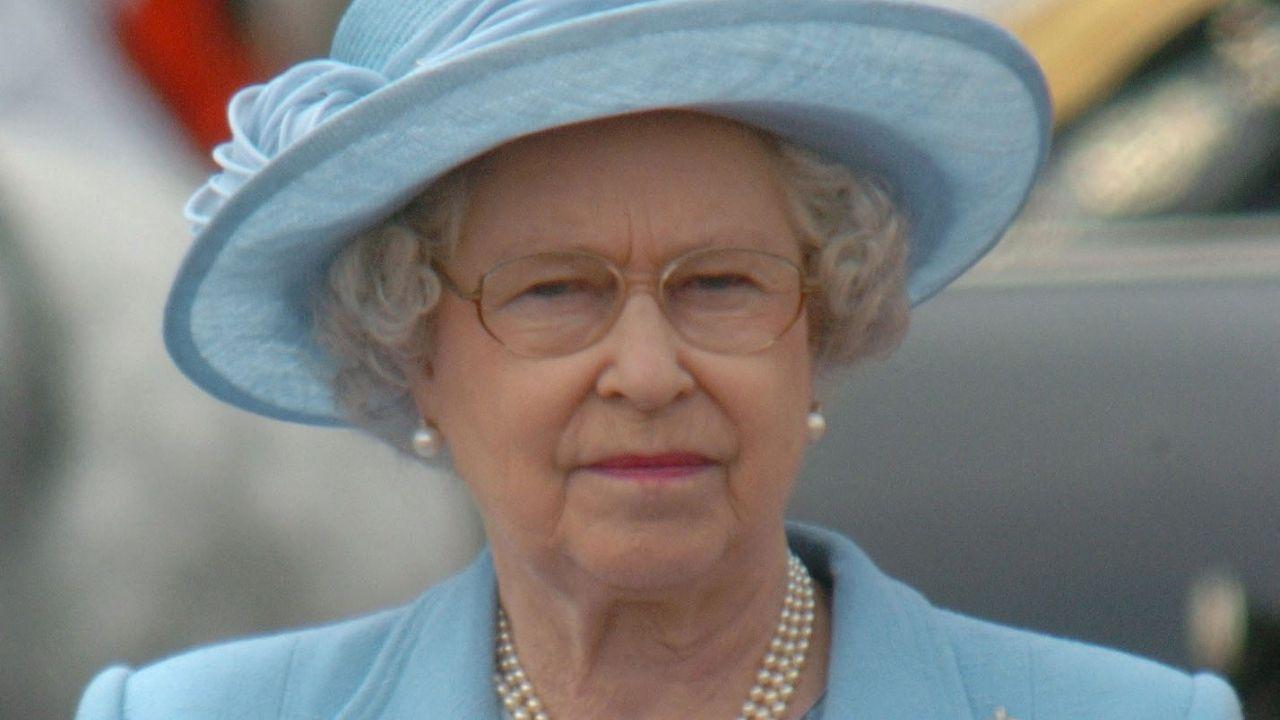
Queen Elizabeth’s mornings at Buckingham Palace followed a carefully established schedule, with members of her household expected to carry out their duties according to precise procedures.
According to Brandreth, the daily preparations began at exactly 8 am, when the monarch’s dresser entered her bedroom carrying what was known as the “calling tray”.
The tray contained a pot of Earl Grey tea, marking the beginning of the Queen’s morning routine.
Brandreth described the moment in his book:
“At 8:00 am Her Majesty’s Dresser entered the royal bedroom with the ‘calling tray’ and a pot of Earl Grey tea.”
The routine involved more than simply delivering breakfast. Dressers, maids, secretaries and other household staff all had established responsibilities to ensure the monarch’s morning proceeded without interruption.
And when it came to her personal preparations, the Queen reportedly expected an equally remarkable level of accuracy.
The Queen’s Bathwater Had to Meet Exact Measurements
One of the most striking details concerned Elizabeth’s morning bath.
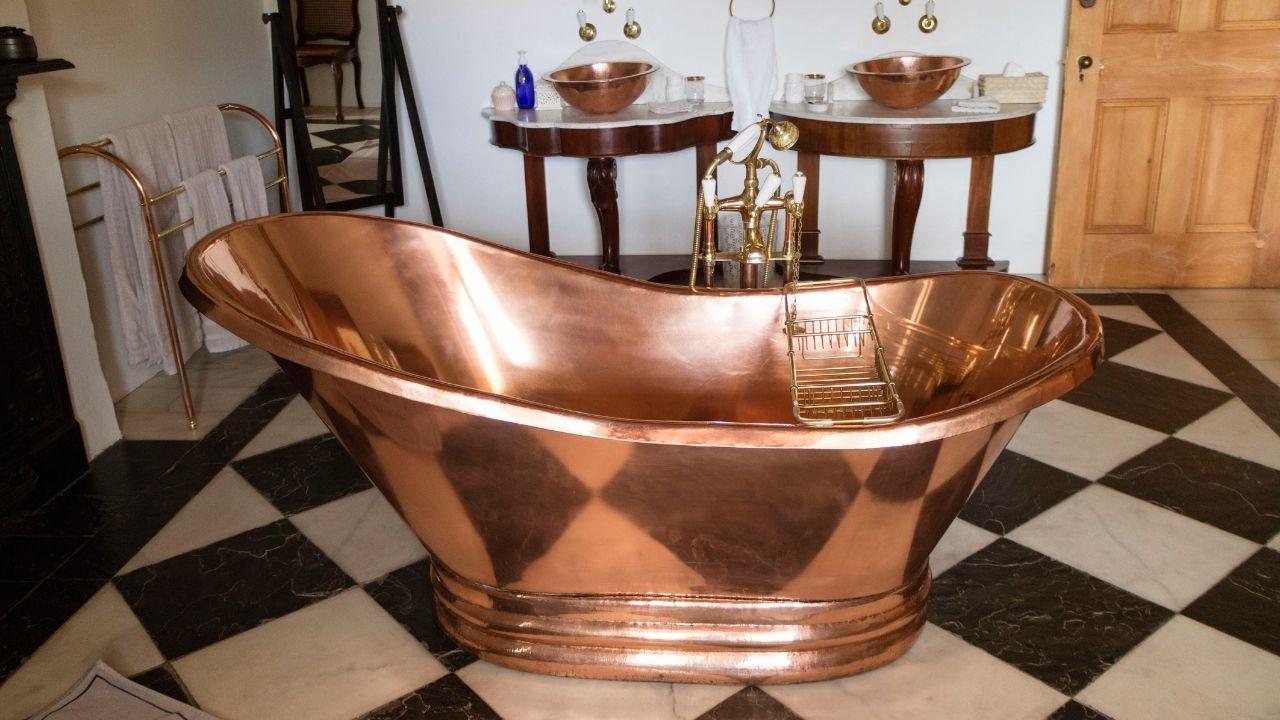
According to Brandreth, the water had to reach precisely seven inches deep and maintain a temperature of 72 degrees Fahrenheit. Staff reportedly used a thermometer to check the temperature, following Imperial measurements.
In Elizabeth: An Intimate Portrait, he wrote:
“The curtains were drawn, the bath was run (to a depth of seven inches and a temperature of 72˚ Fahrenheit – tested by thermometer, using Imperial measurements to the last), gently the Palace began to stir.”
The instructions reflected the consistency and attention to detail expected within the Queen’s private household. Even something as ordinary as running a bath was treated as a carefully coordinated task.
By 10 am, the monarch’s attention would shift from her personal routine to official business.
Her private secretary would arrive to review correspondence, state papers and briefing documents. If the day involved receiving ambassadors or attending an investiture, Elizabeth would study the relevant material closely.
Brandreth described the transition:
“At 10:00 am, the business of the day began: her private secretary appeared; correspondence was considered, state papers noted; if it was a morning for receiving ambassadors or the day of an investiture, Her Majesty studied her briefing material – closely.”
Queen Elizabeth’s Unexpected Dancing Queen Moments
Despite the strict schedule, life inside the Queen’s private rooms was not always as formal as outsiders might imagine.
Angela Kelly, her longtime dresser and confidante, previously shared memories of the monarch’s more relaxed moments while they prepared for official engagements.
One of Elizabeth’s favourite songs was ABBA’s Dancing Queen. When it played on BBC Radio 2 during their morning preparations, the Queen sometimes couldn’t resist joining in.
Speaking to Vanity Fair, Kelly recalled how the monarch would sway from side to side and sing along while she danced around the room.
She said:
“When the song came on, she loved it, and both of us would dance. The queen would move from side to side and sing. Her Majesty loved singing and had a good voice. I didn’t.”
The moments offered a glimpse of a monarch far removed from the formal image associated with royal appearances.
Angela Kelly Reveals How the Queen Reacted to Her Dancing
Kelly also recalled that her own enthusiasm occasionally got the better of her.
While the dresser enjoyed dancing around the room, the Queen sometimes had to tell her to move aside, particularly when Kelly became too carried away.
Kelly remembered:
“I’d get carried away and be dancing all round her like I was at a disco, and the Queen would tell me to ‘move over’ because I can’t sing, and we laughed. They were moments to cherish, to see the queen so relaxed.”
It was a more personal side of Elizabeth, shared with someone who had spent years working closely alongside her.
Queen Elizabeth’s 70-Year Reign and Enduring Legacy
Elizabeth became Britain’s longest-reigning monarch, ascending the throne in 1952 and serving for 70 years before her death in September 2022, aged 96.
During those decades, she witnessed enormous social and political change, while maintaining a public role built around duty, continuity and service.
Her reign also saw the monarchy adapt to a changing world, with her influence and international recognition extending far beyond Britain.
The accounts of her carefully structured mornings and spontaneous dancing sessions reveal two sides of the same monarch: a woman who valued precision and routine, but who could also enjoy a favourite song and share a laugh behind closed palace doors.