Princess Diana’s Former Butler Challenges Earl Spencer’s Account of Charles’ Reaction to Her Death
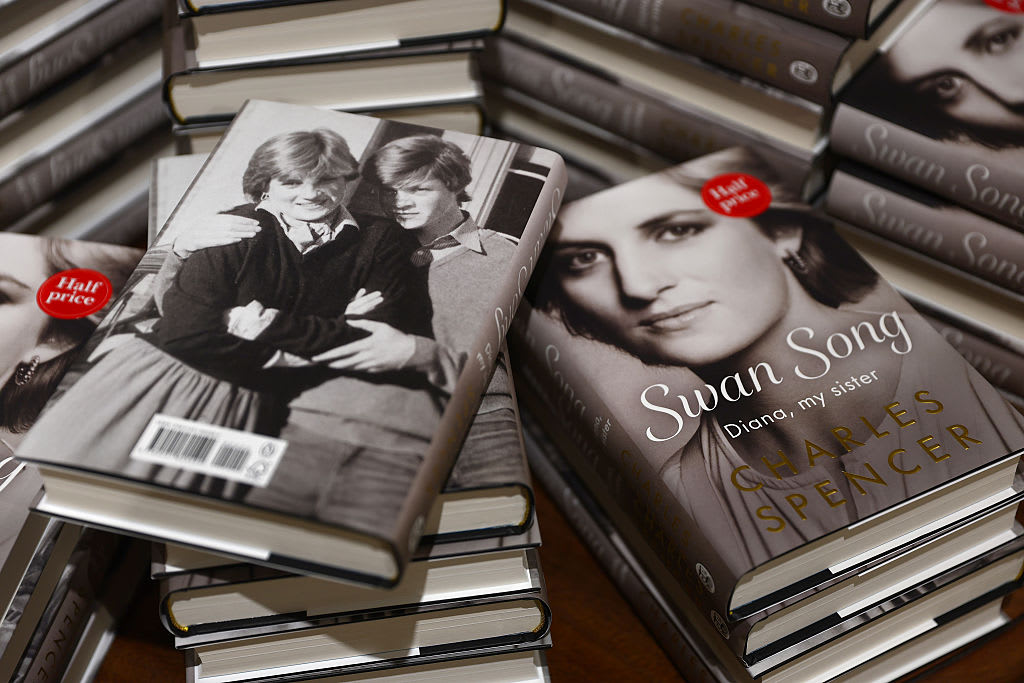
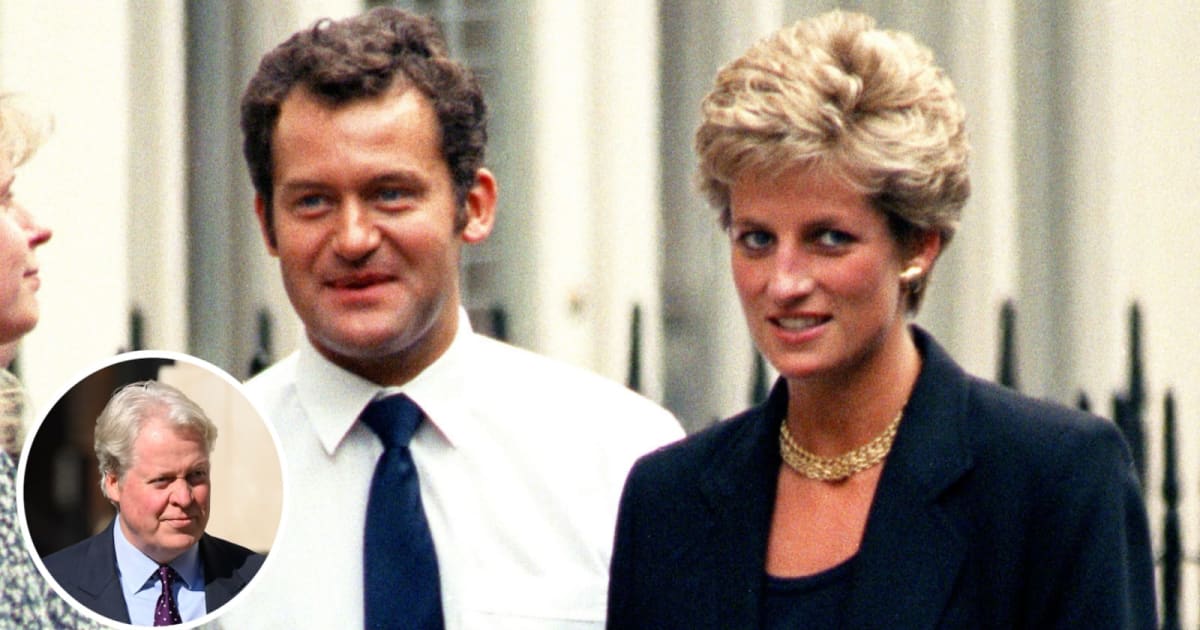
Paul Burrell, who served as Princess Diana’s butler until her death in 1997, has publicly disputed one of the most striking claims in Earl Spencer’s new memoir about the aftermath of the Paris car crash.
Burrell, 68, said he did not recognise the portrayal of then-Prince Charles in Charles Spencer’s Swan Song: Diana My Sister, particularly the description of Charles as appearing “giddily elated” after Diana’s death.


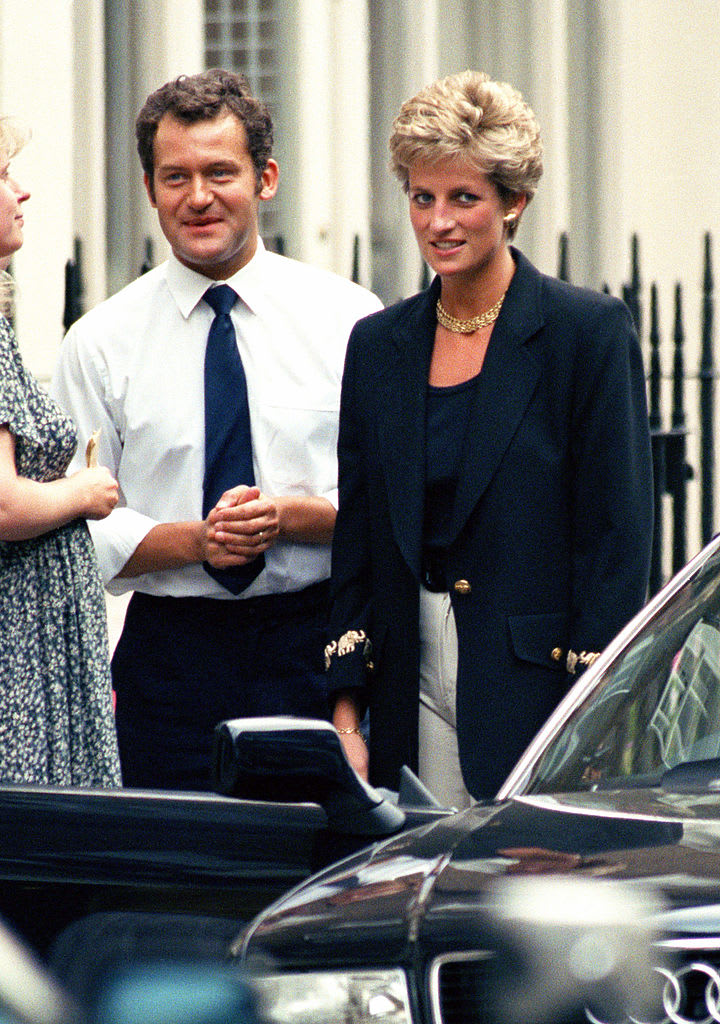
Paul Burrell recalls seeing Charles in Paris
Burrell joined the household of then-Prince Charles and Princess Diana in 1987, initially working for the couple at Highgrove House in Gloucestershire.
He later became Princess Diana’s butler and remained in her service until her death in August 1997. In books of his own, Burrell has described Diana as being particularly fond of him, calling him her “rock” because of the support he provided during difficult periods in her life.
His latest comments concern Diana’s brother, Charles Spencer, 62, and the account contained in Spencer’s new book, Swan Song: Diana My Sister.
Among the memoir’s most controversial passages is Spencer’s description of a telephone conversation with Charles shortly after the Paris crash that killed Diana.
Spencer wrote that, unlike others who contacted him and were struggling to express their condolences, Charles sounded “giddily elated – like a lottery winner.”
That account has prompted a strong response from people who were close to the events surrounding Diana’s death.


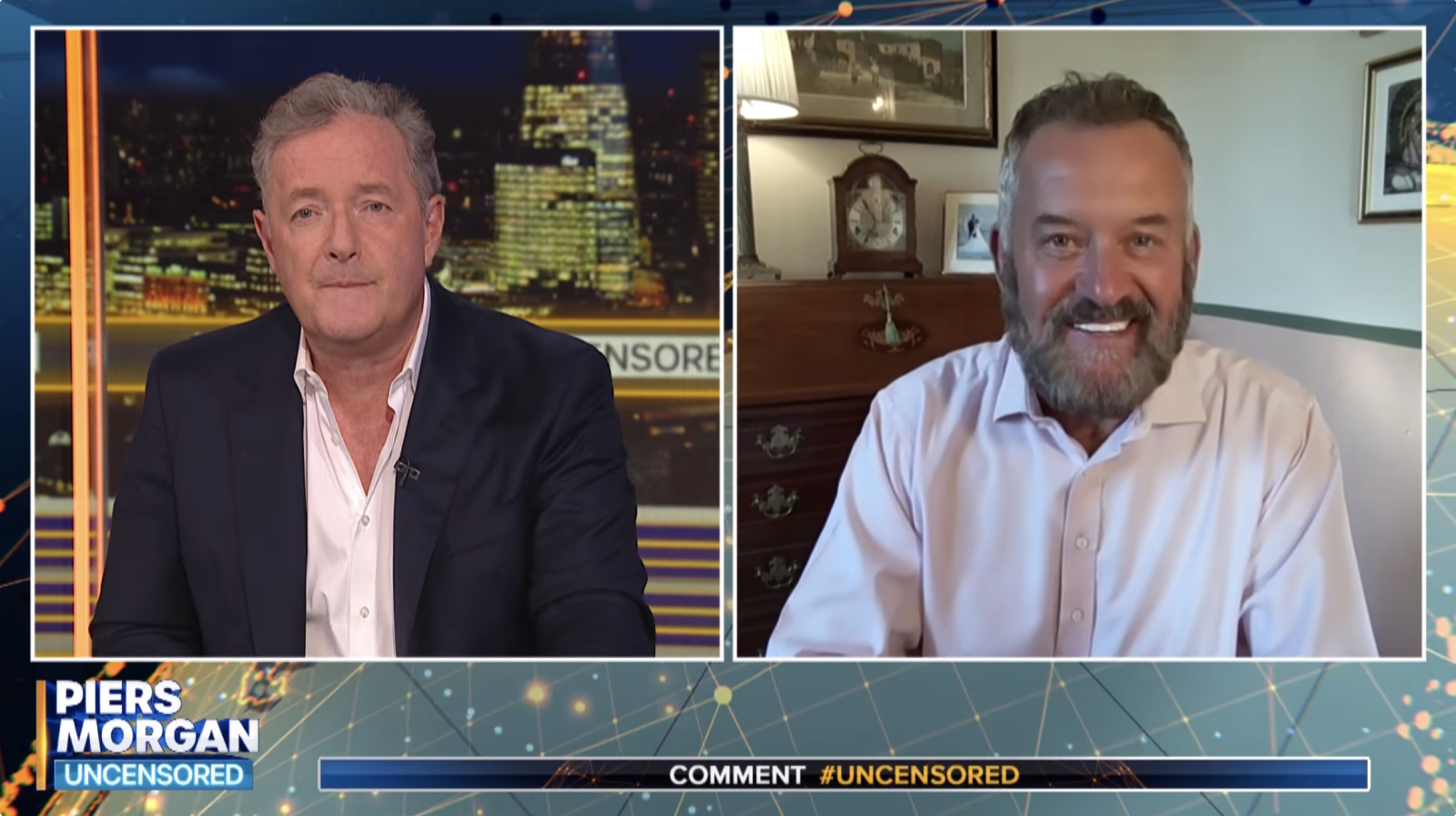
Speaking to Piers Morgan on Piers Morgan Uncensored, Burrell strongly challenged Spencer’s description.
“I read this rather spiteful, revengeful, aristocratic point of view that he’s penned, and quite frankly, I didn’t recognise some of it,” Burrell said.
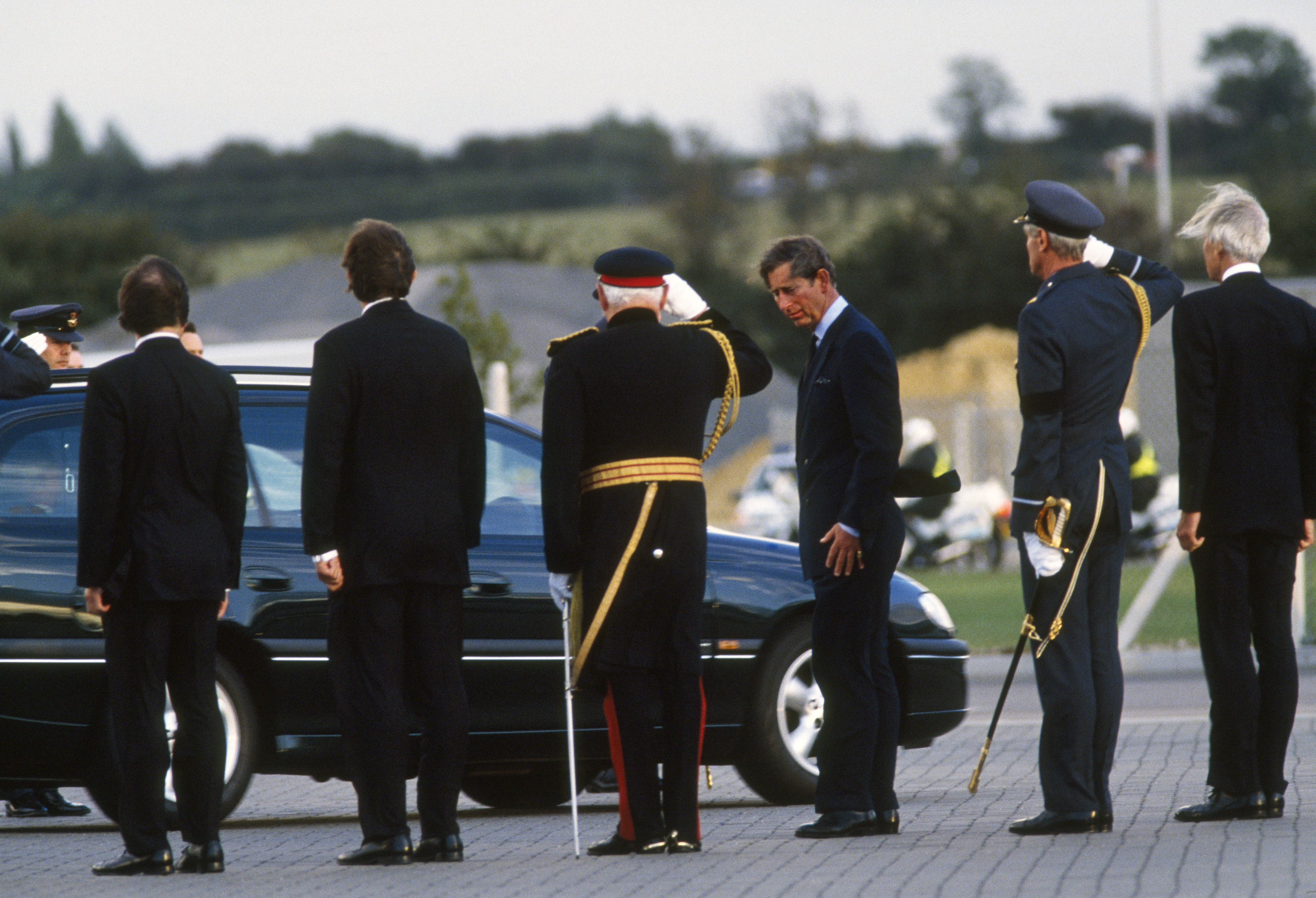
He then recalled seeing Charles in Paris after Diana’s death.
“He talks about the king being giddy with excitement when Diana died. Well, Piers, I was in Paris. I saw the king on the day he came to Paris. He walked down the corridor towards me. He was a broken man; he was devastated.”
According to Burrell, Charles spent around 10 minutes in a room with Diana’s sisters before emerging.
“He’d been crying,” Burrell said, describing Charles as having bloodshot eyes and appearing pale and frightened.
Burrell said he interpreted Charles’ presence in Paris primarily through his role as the father of Diana’s two sons, William and Harry.
“I thought to myself, ‘You’re here for the boys because you’re the boys’ father, and this is their mother.’ And he was paying respect to Princess Diana.”
He added that Spencer’s portrayal did not resemble the Charles he personally witnessed.
“So I don’t recognise what Earl Spencer says about Prince Charles – it isn’t his language,” Burrell said.
Another former palace aide recalls Charles appearing devastated
Burrell is not the only former royal staff member to have described Charles as deeply affected by Diana’s death.
Dickie Arbiter, a former Buckingham Palace press spokesperson, has offered a similar recollection of Charles in the days surrounding the tragedy.
Speaking to the Royal Observer, Arbiter said Charles appeared devastated and shocked after Diana’s death. He recalled seeing him at Crathie Kirk on the Sunday before Charles flew to Paris.
Arbiter specifically remembered Charles standing at the tributes while holding Harry’s hand.
“He was devastated. He was shocked,” Arbiter said. “When he was looking at the floor of tributes, holding Harry’s hand, he was absolutely devastated.”


Arbiter also recalled seeing Charles after he returned from Paris at RAF Northolt.
He said Charles’ appearance and body language reinforced the impression that he was grieving.
“His body language said everything,” Arbiter recalled. “His body language said it all, and his face was so drawn. And you cannot put on an act like that.”
Arbiter also pointed to Charles’ public appearances with William and Harry in the days before Diana’s funeral.
He recalled seeing Charles at Kensington Gardens two days before the funeral, describing him as looking “drawn,” “haggard” and “very sad.”
For Arbiter, Charles walking behind Diana’s coffin alongside his two sons was another moment that spoke clearly about his emotional state.
He also questioned the motivation behind the claims in Spencer’s memoir, saying they amounted to an attempt to generate publicity for the book.
Spencer has already apologised over a separate mistake
The controversy surrounding Swan Song: Diana My Sister has also involved Piers Morgan himself.
Spencer wrote that Morgan sounded “surly” during a telephone conversation shortly before Diana’s funeral. He also suggested Morgan felt guilty because he had been involved in the publication of invasive photographs of Diana at a gym by the Sunday Mirror in 1993.
According to Spencer’s account, Morgan “snarled with annoyance” during their conversation.
Morgan has disputed the account, noting that he did not join Mirror Group Newspapers until 1995. He has also described the conversation differently in his own book, The Insider.
Spencer subsequently apologised to Morgan for the mistake.


Morgan has nevertheless continued to object to the memoir. He wants the book withdrawn from bookshelves and has called for a donation to The King’s Trust.
The dispute over the book therefore extends beyond Spencer’s account of Charles’ reaction to Diana’s death. Its claims about the people surrounding Diana in the final years of her life have already prompted direct challenges from figures who say their own recollections differ significantly from Spencer’s version.
For Burrell, his memories of Charles in Paris remain sharply at odds with the description contained in Spencer’s memoir. As someone who was present in Paris following Diana’s death, he has used those memories to question the picture presented in Swan Song: Diana My Sister.