What the Reported School Security Alert Could Mean for Prince Harry’s UK Protection Battle
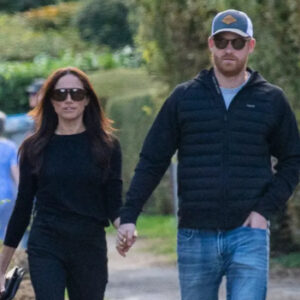
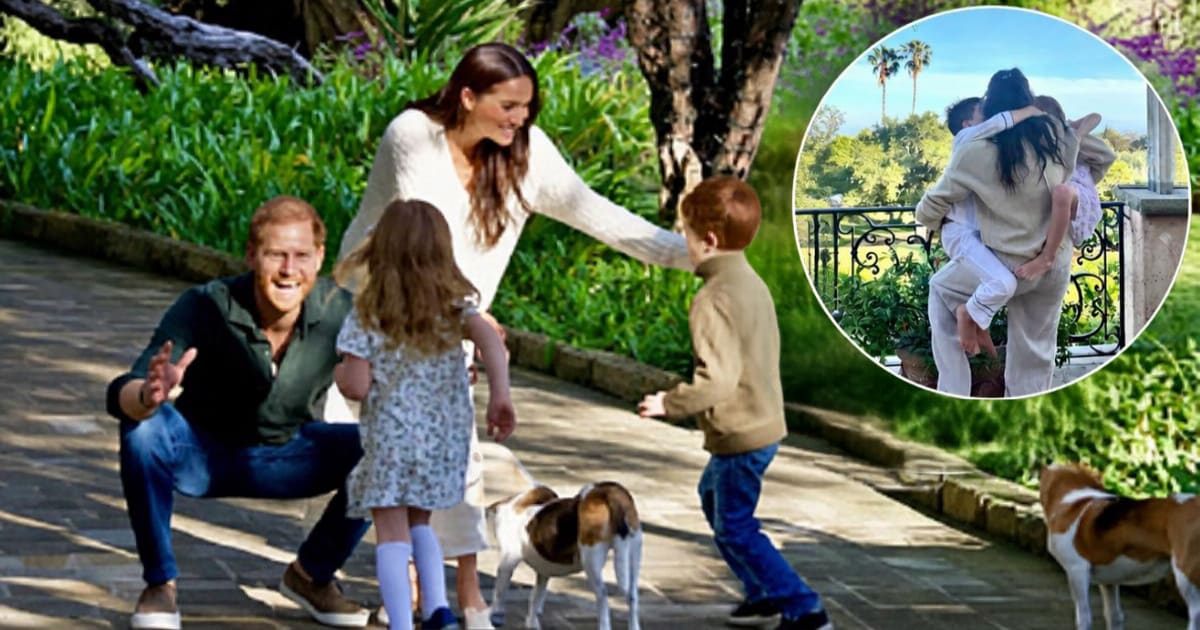
A reported surveillance incident involving the school attended by Prince Archie and Princess Lilibet has put one of Prince Harry’s most persistent concerns back into sharp focus: how much protection should he and his family receive while living in Britain?
Police are investigating after two men were reportedly seen spending hours around the school attended by Harry and Meghan’s children. ITV News reported that the men appeared to be “scouting out” the premises, with one source saying they had been carrying out reconnaissance for several hours from a white rented van. The vehicle was traced after its registration was passed to police, and the driving licence used to hire it was understood to belong to an international photographer.
There has been no official conclusion about what the men intended to do. ITV reported that they could have been international paparazzi photographers, while deliberately withholding the identity of the school and the police force investigating the incident.
Why the Sussexes reacted so strongly
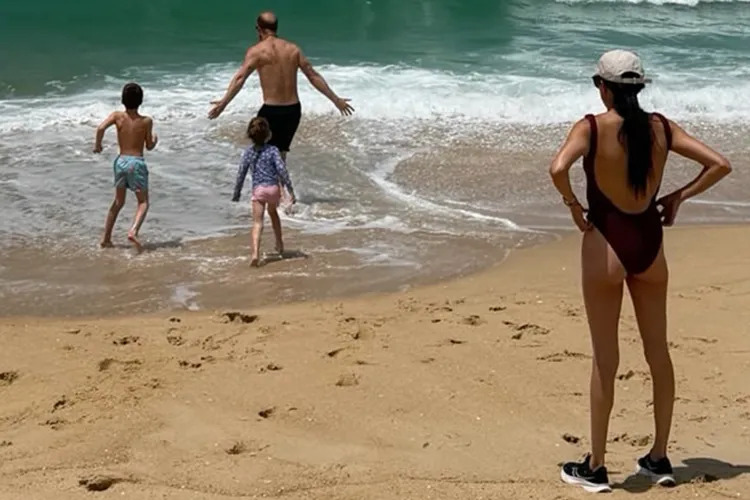
The response from the Sussexes was unusually direct.
A spokesman for Prince Harry and Meghan described photographers behaving in this way around a school as “extraordinarily reckless” and called it an unacceptable intrusion into the family’s privacy. The statement drew a clear distinction between legitimate media coverage and people monitoring children as they arrive at and leave school.
That distinction matters. Unlike some of Harry’s previous criticisms of the British media, including those expressed in the couple’s Netflix documentary, the statement did not amount to a general condemnation of the press.
Instead, the concern was focused on what had reportedly happened at the school itself: people walking around the perimeter, looking into the grounds and observing children as they went about their day. Sky News reported that two men carrying backpacks were spotted by school staff and private security, with the pair later identified as international photographers working for a European press agency.
British media organisations have also continued to respect a request from the Independent Press Standards Organisation not to identify the school or the Sussexes’ home. The concern, according to ITV, is that photographers working for international outlets may not be bound by the same press restrictions.
The wider issue goes beyond Archie and Lilibet
There is another important element to the story.
Archie and Lilibet are not the only children using the school. Other pupils arrive through the same gates, spend time on the same grounds and follow the same routines.
That means any prolonged observation of a school inevitably affects a much wider group of children, regardless of whether a particular photographer is interested in the Sussexes.
The wording of the Sussexes’ statement reflected that broader concern. It referred repeatedly to “children” rather than focusing exclusively on Archie and Lilibet, and objected to the monitoring of pupils and activity inside the school grounds.
A school is therefore a particularly sensitive environment when it comes to privacy and safeguarding. The fact that one pupil happens to be sixth in line to the British throne does not change the basic expectations surrounding the children around him.

A useful comparison came at Eton
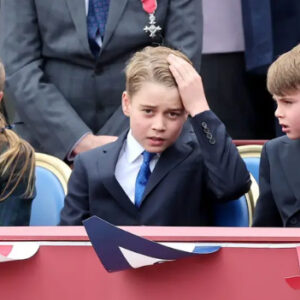
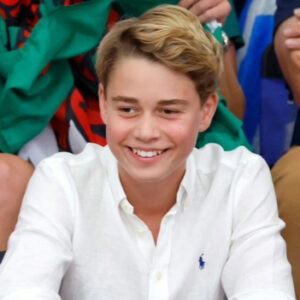
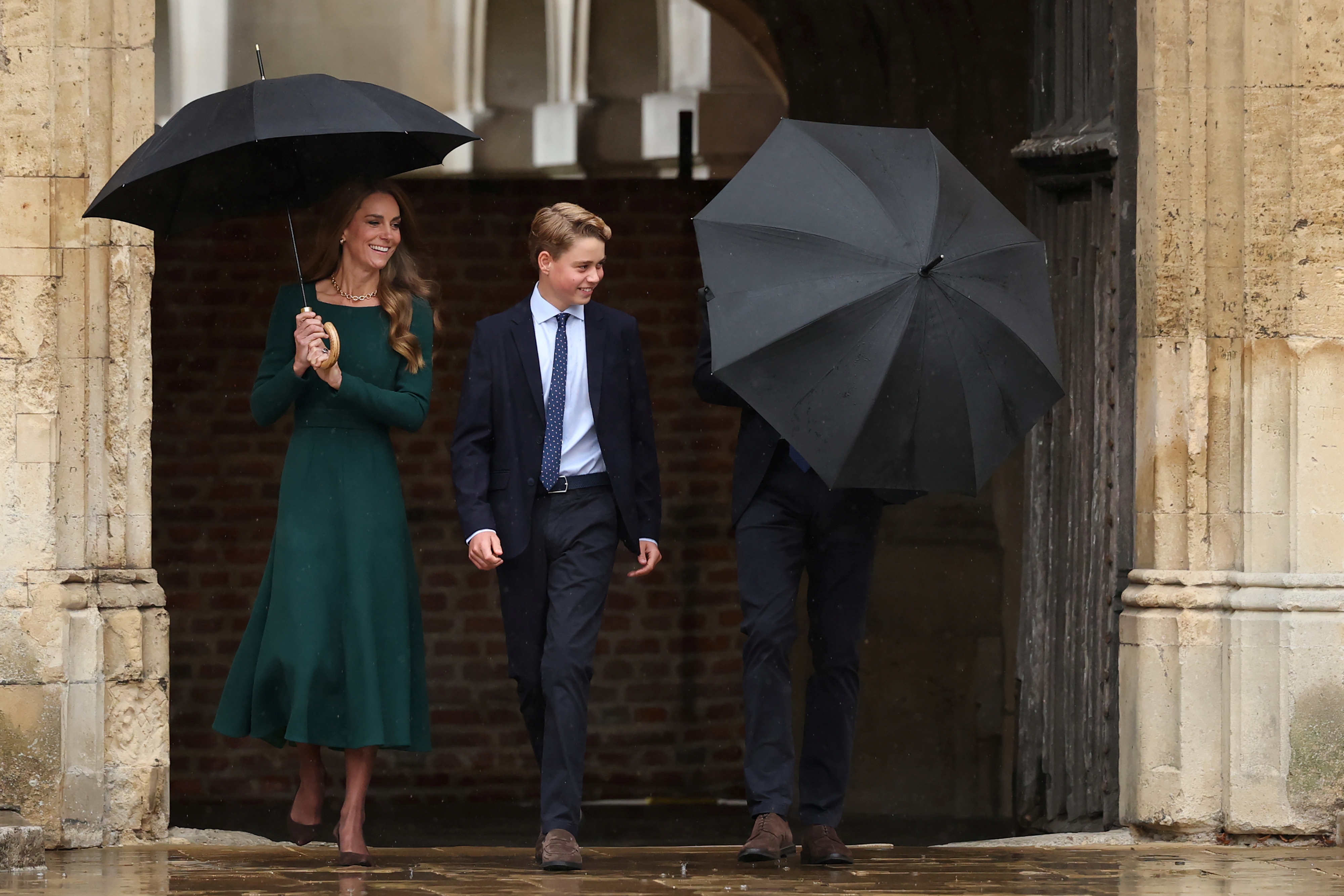
That principle was visible at Eton College when Prince George began his first day there on September 8, 2026.
The media attention naturally focused on the young prince. But the arrangements around his arrival were not designed solely around George. Journalists were placed in a designated area on the playing fields, with clear boundaries that also gave other pupils, who were private individuals simply starting school, space away from cameras.
The arrangement allowed the press to cover an event of considerable public interest while maintaining a degree of separation between the subject of the coverage and the wider school community.
That distinction is particularly relevant in the Sussexes’ case. Whatever the intentions of the two men reported near Archie and Lilibet’s school, observing a school for hours creates a situation in which other children can become part of the environment being monitored.
For Archie, Lilibet and their classmates, the issue is therefore broader than the long-running argument over Harry’s personal protection.
It concerns the boundaries that should exist around children at school.
The timing is significant for Harry’s security review
The reported incident also comes at a particularly sensitive time for the Sussexes.
Harry, Meghan and their children returned to Britain in late August 2026. Their security arrangements were already being reconsidered after the family’s move, and Archie and Lilibet had changed schools earlier in September after their private security team raised concerns about the practicalities of the original school run.
The original journey presented a specific problem. The family’s security team was concerned about periods of stationary traffic and the possibility that the Sussexes’ vehicle could become separated from the rest of their security convoy.
ITV reported that the family’s car had been separated from the vehicle carrying security personnel during the school run, with other cars becoming caught between them in heavy traffic. Because the journey would have been repeated at roughly the same time each day, security personnel regarded the predictable routine as an additional concern.
The children subsequently moved to another school after only two days at their original school. The family said the decision followed discussions with their security team about the practicalities of their arrangements and stressed that it was not a criticism of the school or its staff.
The reported surveillance incident at the new school now adds another event to that already developing security picture.
ITV reported that information about the incident had been passed to RAVEC, the Executive Committee for the Protection of Royalty and Public Figures, which is reviewing the Sussexes’ circumstances following their return to Britain.
What RAVEC actually decides
RAVEC sits at the centre of Harry’s long-running dispute with the British government over protective security.
The committee is responsible for assessing protective-security arrangements for members of the Royal Family and other public figures considered to face particular risks. Its membership includes representatives of the Home Office, Cabinet Office, Foreign, Commonwealth and Development Office, Metropolitan Police Service and Royal Household.
Its assessments can take into account threats including terrorism, extremism and fixated behaviour.
Most importantly, RAVEC, rather than the King personally, is responsible for determining the relevant protective-security arrangements. The Home Secretary has delegated responsibility for this area to the committee.
That distinction has been central to Harry’s previous legal battle.
When the Sussexes stopped being full-time working members of the Royal Family, Harry lost the automatic level of publicly funded police protection he had previously received. He subsequently challenged the decision in court.
The Court of Appeal rejected his challenge in May 2025. The judgment found that RAVEC had been entitled, in the circumstances of the case, to depart from its usual approach and concluded that the arrangements made for Harry during his visits to Britain from June 2021 onward were not unlawful.
That ruling did not establish that Harry faced no security risks.
The question before the court was whether RAVEC had acted lawfully in deciding how his protection should be handled. The judgment therefore did not amount to a finding that the Duke had no legitimate security concerns.
The circumstances have now changed
The situation being reviewed by RAVEC is also different from the one that existed when Harry’s original protection arrangements were changed.
Harry, Meghan, Archie and Lilibet are now living in Britain, rather than simply visiting. RAVEC has begun fresh risk-management reviews covering both the Duke and Duchess of Sussex. Meghan’s review is the first of its kind since the couple stepped back from royal duties in 2020, while Harry was already granted a new review in July.
The committee has been considering their circumstances as UK residents, including the family’s daily routines. Their children’s school arrangements therefore form part of the practical picture surrounding the family’s security.
Reports have indicated that the Sussexes currently have access to a police liaison officer while continuing to employ private security themselves.
That distinction is important because private protection cannot simply duplicate the resources available to state protection.
Private security personnel do not have access to government intelligence, while the legal framework governing firearms in Britain also means private bodyguards do not have the same armed capabilities as police officers. UK guidance states that firearms for personal protection are generally not considered an acceptable basis for private protection in Great Britain.
Those differences have been central to Harry’s argument that privately funded security cannot simply replicate the protection available through the state.
The taxpayer question remains
There is, however, another side to the debate.
State protective security relies on threat and risk assessments containing sensitive information that is not available to the public. That makes it difficult for outsiders to fully judge why particular decisions are made or what intelligence is being considered.
At the same time, the question of publicly funded police protection carries obvious significance for taxpayers, particularly while public finances remain under pressure.
The Home Office has maintained that its approach to protective security is rigorous and proportionate. The issue is therefore not simply whether Harry has concerns about his safety. It is whether those concerns, assessed against the available intelligence and the circumstances of his family, justify the level of state protection he is seeking.
The Palace has also maintained a degree of distance from that decision-making process.
A recent letter authorised by King Charles and circulated by the Lord Chamberlain stated that operational security matters involving the Sussexes should continue to be handled by the relevant police authorities.
That reinforces the distinction between the King’s personal relationship with his son and the formal machinery responsible for deciding protective security.
What this incident could mean for Harry’s case
The reported school incident does not automatically settle the argument over Harry’s protection.
Nor does it establish that the Sussexes should receive the level of publicly funded security they have previously sought.
What it does provide is a specific incident for the authorities to examine.
RAVEC’s job is to assess risk rather than respond automatically to individual events. The reported presence of two men near a school, particularly when police are investigating and one of the men was reportedly linked to an international photography operation, can form part of that assessment. But the intentions of those involved have not been established publicly.
That distinction is important.
There is a difference between evidence of a security concern and proof that a particular threat exists. The available reports establish that police are investigating the incident, not that the men intended to harm Archie or Lilibet.
The larger question is about the children
Harry’s broader dispute over security will continue to involve questions about his status, the risks identified by authorities, the cost of state protection and the limits of privately funded security.
The school incident brings a different dimension into view.
Whatever decision is eventually reached about Harry and Meghan’s protective arrangements, the principle of keeping children away from intrusive surveillance is easier to separate from the wider royal-security argument.
Archie and Lilibet are attending school alongside other children. Those pupils and their families have an interest in being able to go about their daily routines without photographers or other outsiders apparently spending hours monitoring the school perimeter.
For the Sussexes, the incident is likely to become another point of reference as their security arrangements are reviewed.
For the children involved, however, the issue is much simpler.
A school should be a place where children can arrive, learn and leave without adults apparently watching the perimeter for hours.
That is the point at which a debate about royal protection becomes a more basic question about privacy, safeguarding and the boundaries that should surround childhood.