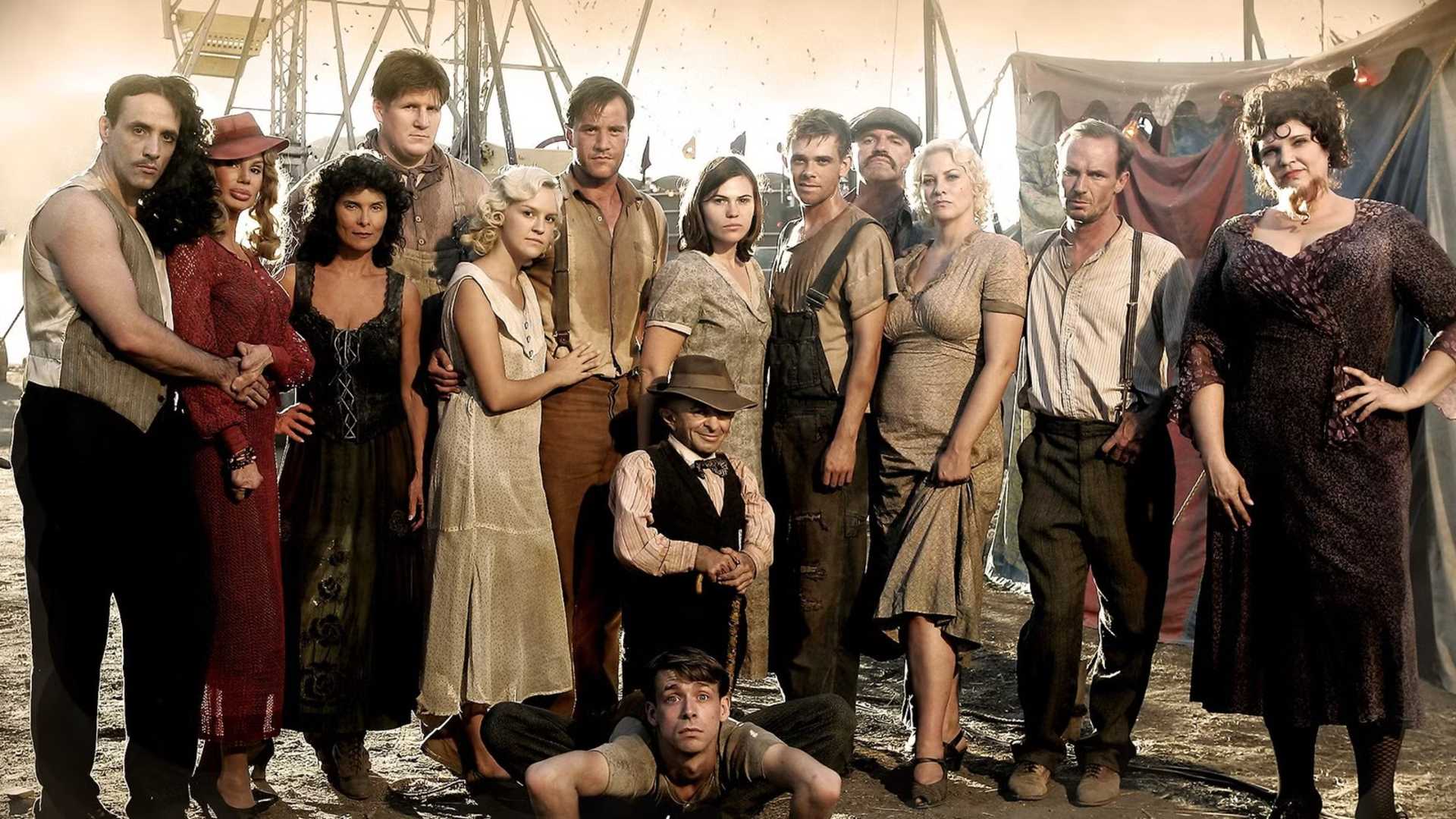
HBO’s Carnivàle: The Ambitious Fantasy Drama That Broke A Viewership Record Before Being Cancelled After Two Seasons
Few HBO dramas have built a world as strange, atmospheric and ambitious as Carnivàle. Set against the hardship of America’s Great Depression, this dark fantasy series combined historical detail, supernatural mysteries and religious mythology in a story about an extraordinary battle between good and evil. Its 2003 premiere attracted 5.3 million viewers, setting a record for an HBO original series debut at the time. Yet despite its remarkable start and critical recognition, the series was cancelled after just two seasons, leaving a much bigger story untold.
More than two decades later, Carnivàle remains one of the network’s most distinctive and underappreciated productions — a visually striking drama that still feels unlike anything else on television.
A Dark Fantasy Set In The Dust Bowl
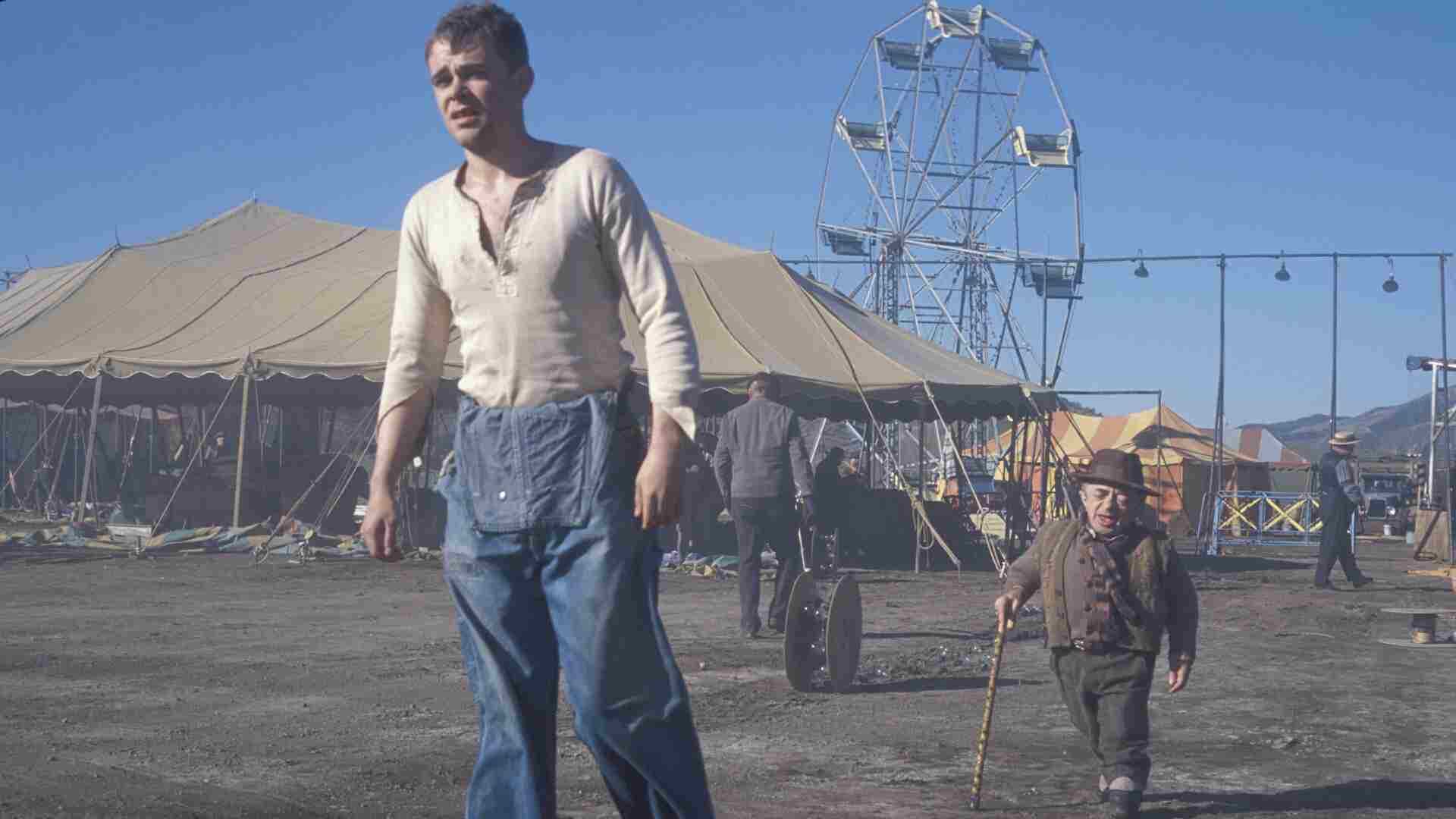
Created by Daniel Knauf, Carnivàle premiered on HBO on September 14, 2003. The story unfolds across 1934 and 1935, during the Great Depression, following a travelling carnival whose performers struggle to survive in the poverty-stricken Dust Bowl.
Beneath its period setting, the series gradually reveals a much larger supernatural conflict through two parallel storylines.
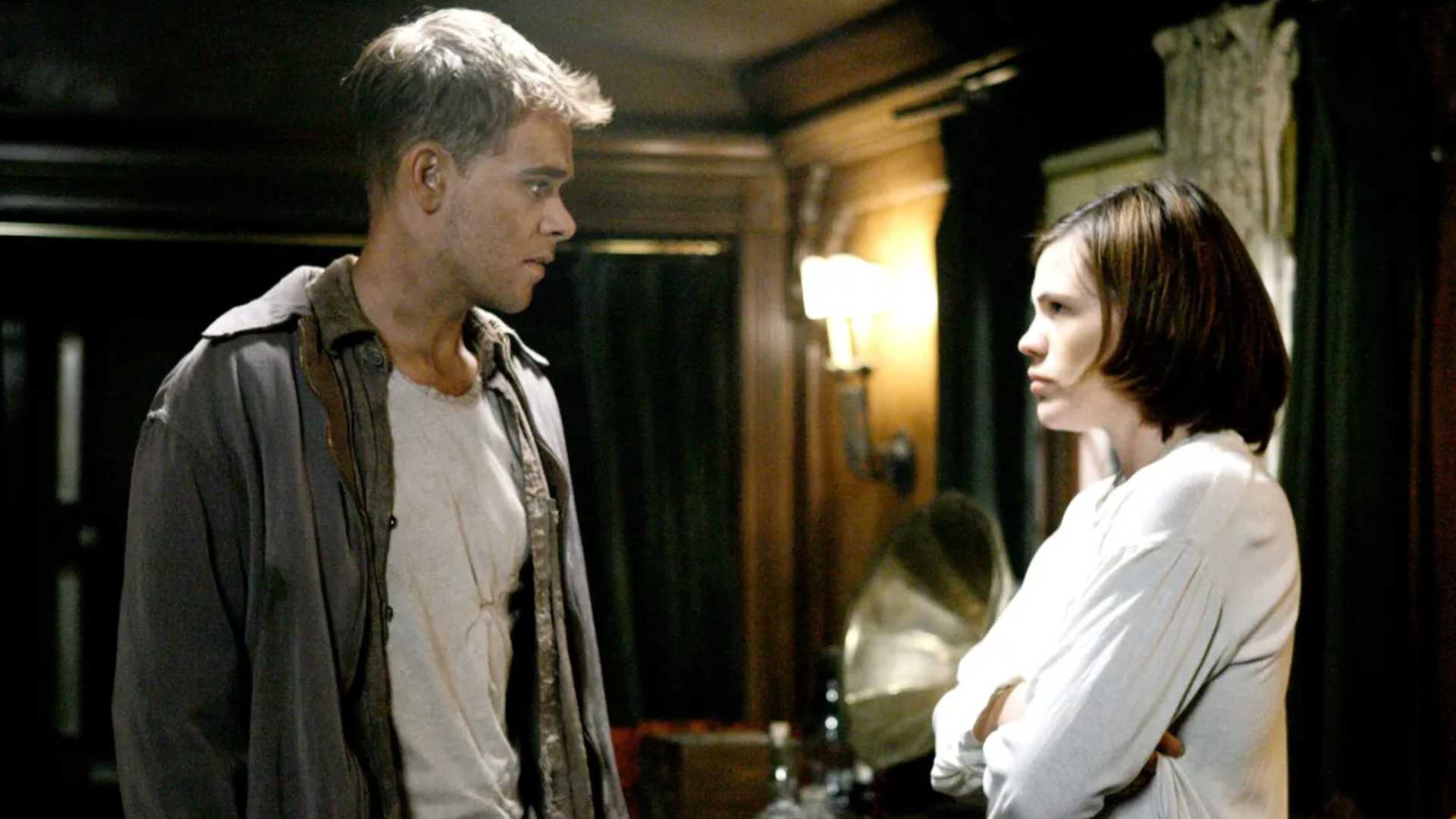
The first centres on Ben Hawkins, played by Nick Stahl, a young man who discovers he possesses extraordinary healing abilities. The second follows Brother Justin Crowe, portrayed by Clancy Brown, a charismatic preacher in California whose growing influence is accompanied by increasingly unsettling visions.
As the carnival moves from Oklahoma to Texas, Ben and Justin become connected through strange dreams, supernatural forces and disturbing prophecies. Their paths slowly converge, drawing them towards an inevitable confrontation.
Rather than presenting a straightforward battle between heroes and villains, Carnivàle explores the tension between light and darkness, free will and destiny, and the power individuals and communities have over their own futures.
When Carnivàle debuted on September 14, 2003, it immediately attracted an enormous audience. Its pilot drew 5.3 million viewers, making it the most-watched premiere of an HBO original series at the time. The strong opening was helped by its position after the season finale of Sex and the City, but the series also stood out for its unusual premise and richly developed mythology.
The first season maintained considerable interest, averaging approximately 3.54 million viewers per episode across its 12 episodes. Its distinctive production design and attention to period detail also earned widespread industry recognition.
At the 2004 Primetime Emmy Awards, Carnivàle won five awards, including Outstanding Art Direction for a Single-Camera Series, Outstanding Cinematography, Outstanding Costumes, Outstanding Hairstyling and Outstanding Main Title Design. It received further nominations at the 2005 ceremony.
The series’ historical backdrop also gives its story an enduring resonance. Its depiction of struggling communities, powerful financial interests and politicians who benefit from the hardships of ordinary people can invite comparisons with the economic turmoil surrounding the 2008 financial crisis and the Great Recession.
Why HBO Cancelled Carnivàle After Two Seasons
Despite its impressive debut, the series struggled to maintain its initial audience. Viewership declined significantly in the second season, which averaged around 1.7 million viewers per episode — less than half the first season’s average.
The drop in ratings ultimately contributed to HBO’s decision not to renew the show. In May 2005, the network confirmed its cancellation after two seasons. HBO entertainment president Carolyn Strauss said the network felt the two seasons had told the story well, while expressing pride in the work of the cast and crew.
The decision was especially disappointing because creator Daniel Knauf had originally envisioned a six-season story. In a later interview with The A.V. Club, he explained that the declining ratings had made the show’s future uncertain from very early in its run. He also revealed that HBO briefly considered a two-hour film to resolve the remaining storylines, but he felt the enormous amount of planned material could not be meaningfully condensed into a single movie.
As a result, Carnivàle ended before Knauf could complete the larger narrative he had planned, leaving viewers without the full resolution of Ben and Brother Justin’s supernatural conflict.
A Forgotten HBO Classic That Still Deserves A Second Look
Although Carnivàle never reached the six-season run its creator imagined, its reputation has endured. The series currently holds an 8.4 rating on IMDb and a 94% audience score on Rotten Tomatoes, reflecting the lasting affection of viewers who appreciate its unusual approach to historical fantasy.
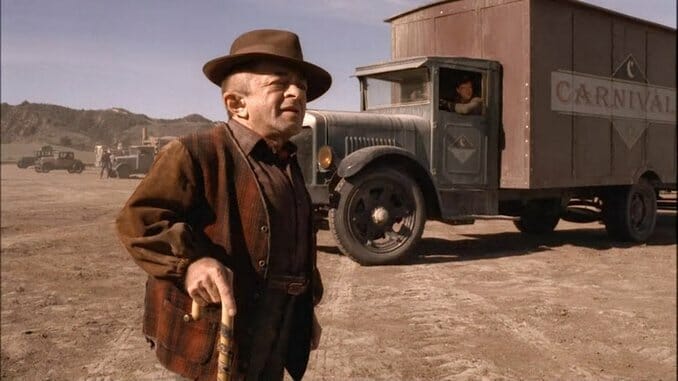
Its visual atmosphere remains one of its greatest strengths. The production recreated the hardship and desolation of the Dust Bowl through extensive historical research, with filming taking place at Santa Clarita Studios and Paramount Ranch in California. The result is an immersive world that feels far removed from the familiar settings of conventional television dramas.
The show’s religious symbolism, supernatural mythology and outstanding performances also set it apart. Nick Stahl and Clancy Brown anchor a story that constantly shifts between human suffering and larger questions about fate, morality and the struggle between good and evil.
Its original premiere record did not last forever: Deadwood surpassed it in March 2004 with 5.8 million viewers. Nevertheless, Carnivàle remains a remarkable example of HBO’s willingness to take creative risks during its early-2000s golden age.
For viewers who missed it the first time, or those looking for a fantasy drama that refuses to follow familiar rules, Carnivàle is well worth rediscovering. Its story may have been cut short, but its strange, haunting world remains unforgettable.