Riley Green Takes A Risk With His Own Song On The Voice — And His First Battle Ends With A Heartbreaking Decision

Riley Green faced one of his toughest challenges as a new coach on The Voice when he decided to make his first-ever Battle Round especially personal.
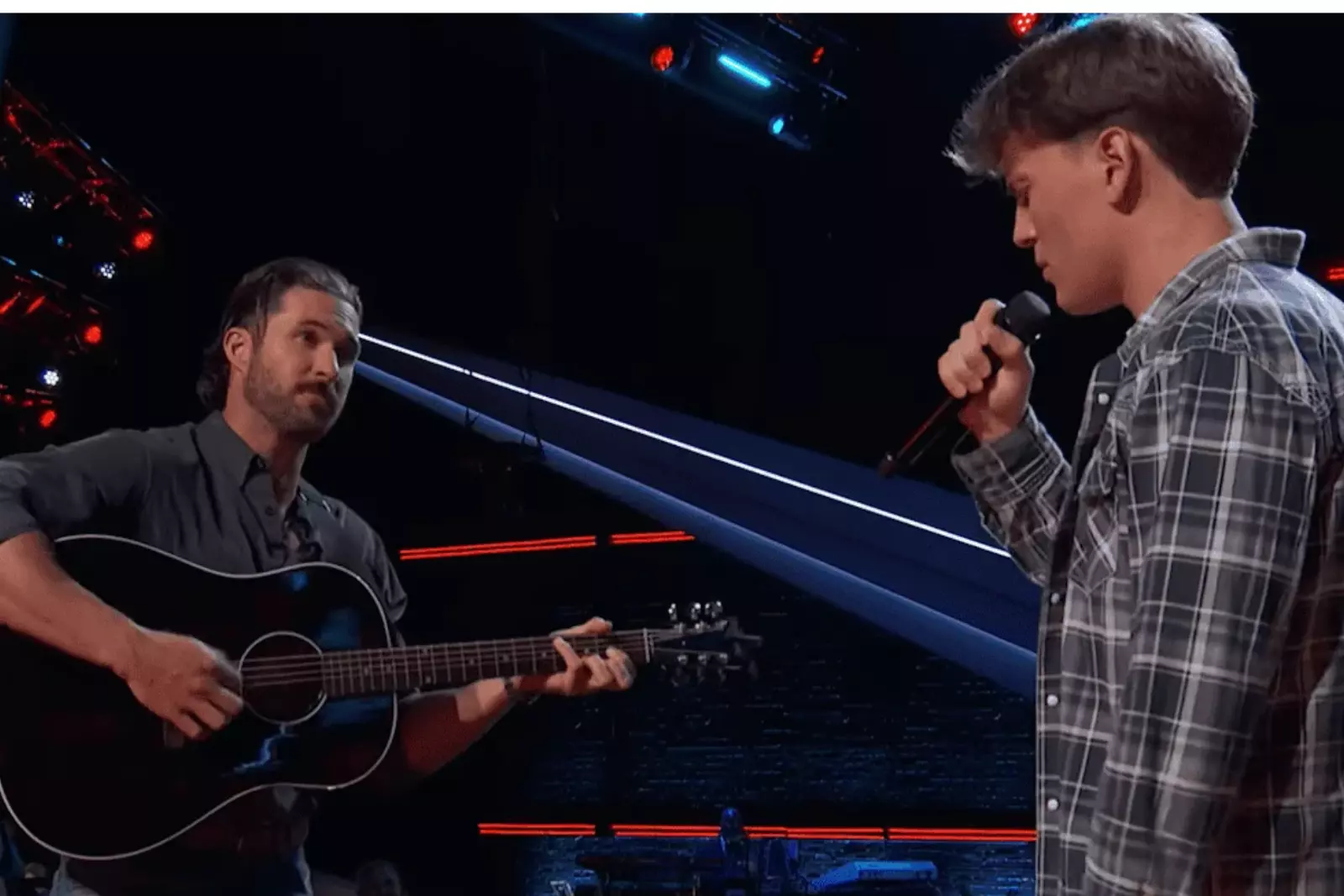
Instead of choosing a familiar country classic, Green asked two members of his team, Kenna Elpers and Joe Henley, to perform “Don’t Mind If I Do,” his duet with Ella Langley.
The decision placed both contestants in the unusual position of singing their coach’s own material directly in front of him.
It also created an intriguing contest between two performers at very different stages of their musical journeys.
Elpers already had considerable experience onstage and had previously opened for Green. Henley, meanwhile, was still learning some of the basics of live performance.
Both impressed their coach, but only one could advance.
Riley Green Makes His First Battle Personal
Green’s choice of “Don’t Mind If I Do” was deliberate.
He knew that both contestants appreciated his music, and Elpers already had a professional connection to him through a previous opening performance.
“I gave ‘em ‘Don’t Mind If I Do,’ which is a song of mine,” Green explained.
He believed the assignment would be particularly meaningful because Henley was a supporter of his music and Elpers had already shared a stage with him.
The song also offered an opportunity to test their ability to perform a country duet built around the chemistry between two singers.
For Green, the challenge extended beyond technical vocal ability.
He wanted both contestants to communicate the song’s emotional story and make the performance convincing for the audience.
That meant developing their stage presence as well as their singing.
The assignment quickly exposed a significant difference between the two performers.
Joe Henley’s Inexperience Becomes A Talking Point
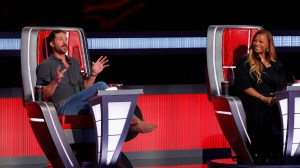
Elpers arrived at rehearsals with the advantage of having spent considerable time performing.
Henley was much newer to the stage.
During rehearsals with Green and Team Riley advisor Carly Pearce, his inexperience became apparent when he struggled to operate a microphone stand.
The moment prompted some good-natured teasing from the two country stars.
Pearce compared Henley to a young puppy with oversized paws that hadn’t yet grown into its body.
Green immediately joined in.
“Kind of clumsy,” he joked. “Doesn’t know how to work a mic stand.”
Although the exchange was lighthearted, it highlighted an important concern.
Henley had a distinctive voice, but he was still developing the confidence and practical skills needed to deliver a polished stage performance.
Elpers, by contrast, was already comfortable in a live setting.
Green recognized that she could help compensate for Henley’s lack of experience during their preparation.
However, Henley’s vocal ability gave the coach plenty of reason to remain optimistic.
Despite his unfamiliarity with certain aspects of performing, his singing suggested considerable potential.
Carly Pearce Praises Both Singers’ Different Strengths
Pearce brought her own experience as a country performer to the rehearsal process.
She immediately recognized qualities that made both contestants interesting.
Elpers impressed her with a light, airy vocal quality that reminded her of Dolly Parton.
The comparison was particularly encouraging given Parton’s distinctive place in country music.
Henley offered something different.
His voice had character and individuality, even though his physical performance remained less developed.
The contrasting strengths created a difficult situation for Green.
Elpers had the experience and stage awareness.
Henley possessed a vocal sound that could become especially compelling with the right guidance.
The rehearsal also produced an unexpected moment when Henley struggled to understand one of the instructions offered by Green and Pearce.
Rather than simply repeating their advice, the two professionals decided to demonstrate what they meant.
They began singing the song themselves.
For Elpers, hearing Green and Pearce perform together at close range was an unforgettable experience.
“When Riley and Carly started singing the song, I was just [mind blown],” she recalled.
The demonstration helped the contestants understand how the duet could be delivered with greater emotional connection.
Green Encourages The Contestants To Flirt Onstage
As rehearsals continued, Green and Pearce emphasized the importance of chemistry.
“Don’t Mind If I Do” requires the performers to communicate the relationship between the song’s characters.
Simply singing the correct notes would not be enough.
The coaches encouraged Elpers and Henley to interact more naturally and embrace the flirtatious energy of the duet.
For Henley, this meant becoming more comfortable with the physical side of performing.
He needed to move beyond concentrating solely on his vocals and begin connecting with his duet partner and the audience.
Elpers’ greater experience gave her an advantage in this area.
Green acknowledged that she had already invested considerable time in developing her abilities as a performer.
He also recognized that she had helped support Henley during rehearsals.
However, the country star remained uncertain about whom he would ultimately select.
“Vocals are important, but you’ve got to make the performance something that the audience loves,” Green explained.
He knew that choosing between the contestants would be difficult because each offered qualities he valued.
Their Battle Performance Impresses All Four Coaches
When Elpers and Henley finally performed “Don’t Mind If I Do” onstage, both demonstrated how much they had gained from rehearsals.
Their duet brought together Elpers’ polished delivery and Henley’s distinctive country vocals.
Green was visibly pleased with the result.
He gave the pair a standing ovation, acknowledging the effort they had put into the performance.
The other coaches were equally complimentary.
Kelly Clarkson compared Elpers’ vocal style to Alison Krauss, recognizing the delicate quality of her singing.
She also likened Henley’s sound to Randy Travis, another artist known for a distinctive traditional country voice.
Adam Levine praised the individuality of Henley’s vocals, describing his sound as distinctive.
Queen Latifah also responded positively, calling the performance powerful.
The feedback confirmed that both contestants had delivered a strong Battle.
Unfortunately, the praise did not make Green’s decision any easier.
Riley Green Chooses His First Battle Winner
After considering both performances, Green announced that Joe Henley would advance.
The decision meant that Elpers’ journey on Team Riley came to an end, despite her experience and the positive feedback she had received.
Green was careful to explain that his choice did not reflect a mistake on her part.
“It was such a hard decision. Nothing that Kenna did wrong,” he said.
Instead, the coach believed Henley’s unusual vocal quality and potential for growth made him the contestant he wanted to continue developing.
“It’s just Joe has got a really unique voice and he’s got a really special talent,” Green explained.
His decision reflected a willingness to invest in a performer who was still learning how to translate his vocal ability into a complete stage performance.
Henley’s lack of experience had been obvious during rehearsals, but Green saw that as an opportunity for development rather than a reason to eliminate him.
The coach also expressed confidence about Henley’s prospects in the next stage.
“Going into Cut Week, I think Joe’s got a really good chance,” he said.
A Difficult First Decision For The Rookie Coach
Green’s first Battle demonstrated how complicated coaching decisions can become when two singers offer very different strengths.
Elpers brought professional experience, confidence and a vocal style that earned comparisons to two respected country artists.
She had also previously opened for Green, making the assignment especially meaningful.
Henley entered the rehearsal room with less stage experience and even struggled with the microphone stand.
Yet his voice immediately stood out.
For Green, the decision ultimately came down to which contestant he believed he could help develop further.
By choosing Henley, he placed his confidence in a singer whose natural talent outweighed his lack of polish.
The choice also showed that Green was prepared to make difficult decisions early in his coaching career.
His first-ever Battle may have begun with a song he recorded alongside Ella Langley, but it ended with a defining coaching decision: sending home an experienced performer in favor of a newcomer whose distinctive voice convinced him there was something special worth developing.
With Henley moving into Cut Week, Green’s attention now turns to helping his first Battle winner build on that potential as the competition continues.