F1 Bosses Agree to Review “Stupid” Energy-Cut Rule for 2027 After Lewis Hamilton’s Outcry Over Max Verstappen Battle

Formula 1 chiefs have agreed to review the sport’s 2026 electrical energy deployment ceiling ahead of the 2027 season following sharp criticism from Lewis Hamilton—who blasted the de facto “speed limit” as “stupid” after it prevented him from mounting a proper challenge against Max Verstappen at the Mexico City Grand Prix.
The Mexico City race—which saw Kimi Antonelli clinch the Drivers’ Championship as the youngest titleholder in F1 history—featured just 13 overtakes, exposing how the current power-unit regulations stifle passing on long straights.
How the 2026 Energy Taper Blunts Overtaking

Introduced at the start of the 2026 regulation cycle over safety fears that the new-generation cars could approach 400 km/h on straightaways and overwhelm circuit run-off areas, the current rules automatically cut battery assistance at high speeds:
-
Standard Deployment Cutoff: Once a car exceeds 290 km/h, electrical deployment begins tapering down from 350 kW, dropping to zero battery assistance entirely at 345 km/h.
-
Overtake Mode Ceiling: Even when a chasing driver activates Overtake Mode, their 350 kW electrical boost starts ramping down at 337.5 km/h and cuts out completely by 355 km/h—leaving cars in a slipstream with virtually no top-end speed advantage.
-
Limited Benefit Across Circuits: According to The Race, drivers at the subsequent Brazilian Grand Prix reported that Overtake Mode yielded only 0.1 to 0.2 seconds of gain for following cars—a concern expected to resurface on the long Las Vegas Strip straight.
Hamilton’s Push for 2027 Revisions Gets Traction

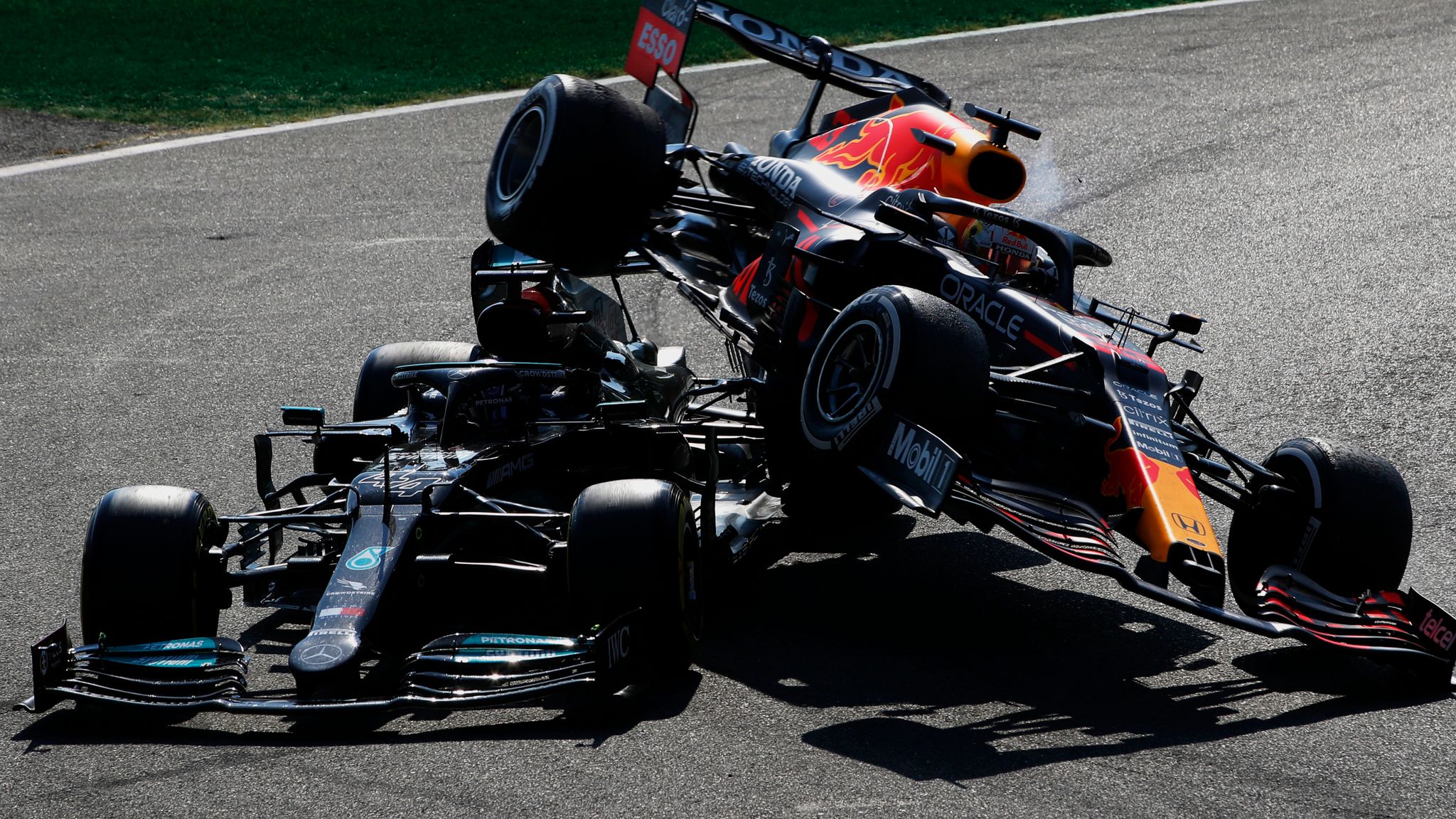
Frustrated after losing momentum in Verstappen’s slipstream in Mexico, Hamilton called the restriction “the silliest thing” and pressed the issue again during the drivers’ briefing in São Paulo:
-
Hamilton’s Critique:“It’s the silliest thing when you are behind and you have a little bit more power in the slipstream. You should be able to go past that to have a chance to overtake.”
-
FIA & F1 Response: F1 bosses have now committed to consulting teams through the sport’s technical and sporting advisory committees to evaluate rule adjustments for 2027—aiming to balance straight-line safety limits with stronger passing opportunities so races do not turn into processions.