William and Kate Deliver a Brutal Lesson to Harry and Meghan During India Tour – One Simple Difference Has Stolen the Spotlight
Prince William and Princess Catherine have barely put a foot wrong during their high-profile visit to Mumbai. But according to one royal commentator, it is not their speeches, official engagements or even the Earthshot Prize that have made the biggest impression. It is the way they behave when the cameras are watching.
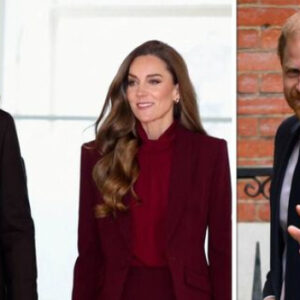
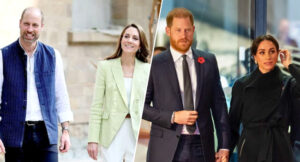
After four years without a joint overseas royal tour, the Waleses have returned to the international spotlight looking relaxed, playful and seemingly at ease. And their approach has prompted a pointed comparison with Prince Harry and Meghan Markle.

William and Kate Let Their Actions Speak for Themselves
The last time Catherine joined William on an overseas trip was in December 2022, when they travelled to Boston for the Earthshot Prize ceremony. Yet during their current Mumbai visit, the couple have shown little apparent nervousness despite the intense media attention.
They have taken public transport, travelled on the Metro and even shared a playful moment when William drove Catherine in an electric tuk-tuk.
Their cheerful exchanges and relaxed appearances have been widely photographed. But Fran Winston, writing for the Daily Express, argues that the most striking thing is what the couple do not seem to be doing: constantly worrying about how they look in front of the cameras.
Rather than appearing preoccupied with their angles or positioning, William and Catherine seem content to get on with their engagements. According to Winston, that is precisely why the photographs and videos feel so natural.

The Sharp Comparison With Harry and Meghan
Winston believes the Duke and Duchess of Sussex could learn something from the Waleses’ approach.
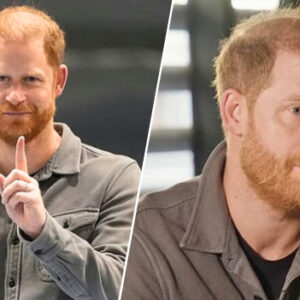
In her opinion, Harry and Meghan often appear stiff and overly conscious of being photographed. She criticises their public displays of affection, arguing that their tendency to cling to one another can make their appearances look staged rather than spontaneous.
The columnist also takes aim at Meghan’s habit of turning towards photographers while speaking to other people. She argues that breaking eye contact to acknowledge nearby cameras can undermine the impression of genuine engagement.
Harry, she adds, is not entirely immune to the same criticism. Winston suggests that his attempts to appear serious or emotional can sometimes come across as anger instead.
These are the commentator’s personal assessments of the couples’ public appearances, rather than established facts about their intentions.

A Different Approach to Family Photos
The comparison extends beyond official engagements.
Winston points to the Waleses’ Christmas and birthday photographs, which she describes as relatively relaxed and informal. Catherine, who enjoys photography, often takes the pictures herself rather than relying exclusively on official portraits.
By contrast, the columnist considers Meghan’s Instagram posts more carefully staged and formal.
She also revisits Meghan’s appearance at Bondi Beach, where photographs of the Duchess during a visit following the terror attack attracted criticism. Winston questions the authenticity of Meghan’s emotional expressions and points to the separate controversy surrounding the promotion of the shirt she wore during the visit.
The criticism is particularly sharp, but it forms part of Winston’s wider argument: Harry and Meghan’s public image, she believes, has become too focused on how they appear in photographs.
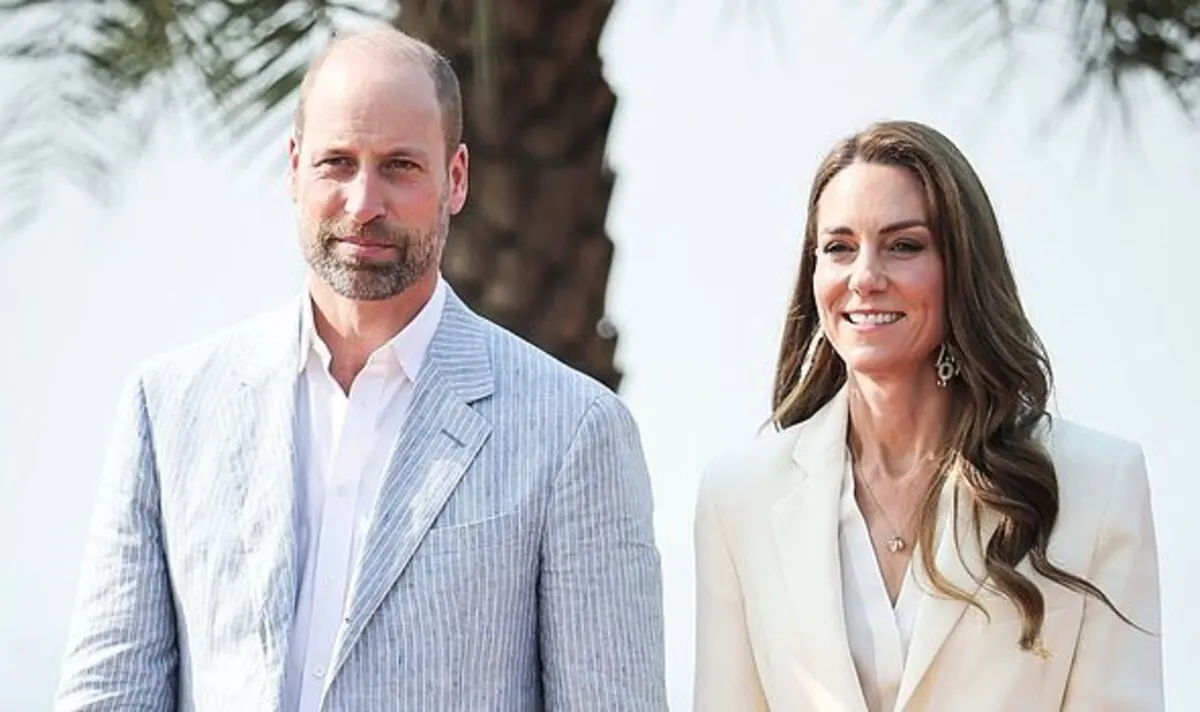
‘The Camera Doesn’t Lie’ – The Message Behind the Criticism
Winston’s central point is that audiences who never meet either couple in person will form their impressions largely through photographs and television footage.
In her view, William and Catherine come across as warmer and more approachable because they appear comfortable joking, chatting and enjoying their engagements without constantly drawing attention to the cameras.
Harry and Meghan, she argues, risk giving the opposite impression when their public appearances seem overly conscious of presentation.
Her conclusion is blunt: if the Sussexes want to change the way people perceive them, they should start by simply being themselves.
The contrast she draws is less about royal titles or official duties than about something much harder to manufacture – the impression of being genuinely at ease in your own company, even when the whole world is watching.