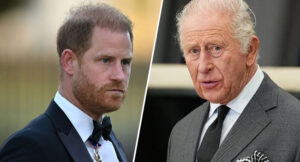
Prince Harry Faces Criticism After Discussing King Charles’ Health in Latest Interview
Prince Harry has drawn fresh criticism after speaking about King Charles’ health during a recent interview with GQ, reigniting debate over how much should be shared publicly about the monarch’s private medical situation.
The Duke of Sussex discussed grief, family tensions and his relationships with his father and brother, Prince William, in an interview published on Tuesday as part of GQ’s One More Question series. His comments prompted a sharp response from royal commentators, with some questioning whether speaking publicly about the King’s health would help repair the family’s strained relationships.
The interview was discussed by Daily Express royal editor Emily Ferguson and commentator Carole Malone on the latest episode of Royals Unscripted, the newspaper’s YouTube and podcast series. Their conversation also covered the Sussexes’ recent visit to Nottingham and the King’s state banquet for the Sultan of Oman.

Royal commentators question Harry’s decision to speak publicly
During the discussion, Ferguson turned to the ongoing rift between Harry and William, noting that the brothers had reportedly not spoken for four years.
She questioned whether Harry’s continued willingness to discuss family matters in interviews was likely to improve the situation, particularly when his latest comments included a reference to the King’s health.
“They’ve not spoken in four years,” Ferguson said. She went on to question how continuing to give interviews and talk about private family matters could help resolve the tensions between the brothers.
Malone took an even firmer stance, describing Harry’s remarks as “outrageous”.
She argued that Charles had been careful about what he chose to disclose regarding his cancer diagnosis and had already shared as much as he wished to make public.
“The King has been very careful with what he said about his cancer. He has said enough,” Malone said.
She added that the public did not know the full details of the King’s condition, including how serious it was or whether he had been cured. In her view, those details should remain private unless Charles decided otherwise.
Malone also made clear that she did not want to speculate about the monarch’s health.
“I don’t want to discuss the King’s health. I don’t want to know if it’s bad,” she said.
Instead, she said she wanted to see Charles enjoying his time as monarch after waiting so long to reach the throne. She expressed the hope that these years would be a positive period for him, regardless of how long they might last.
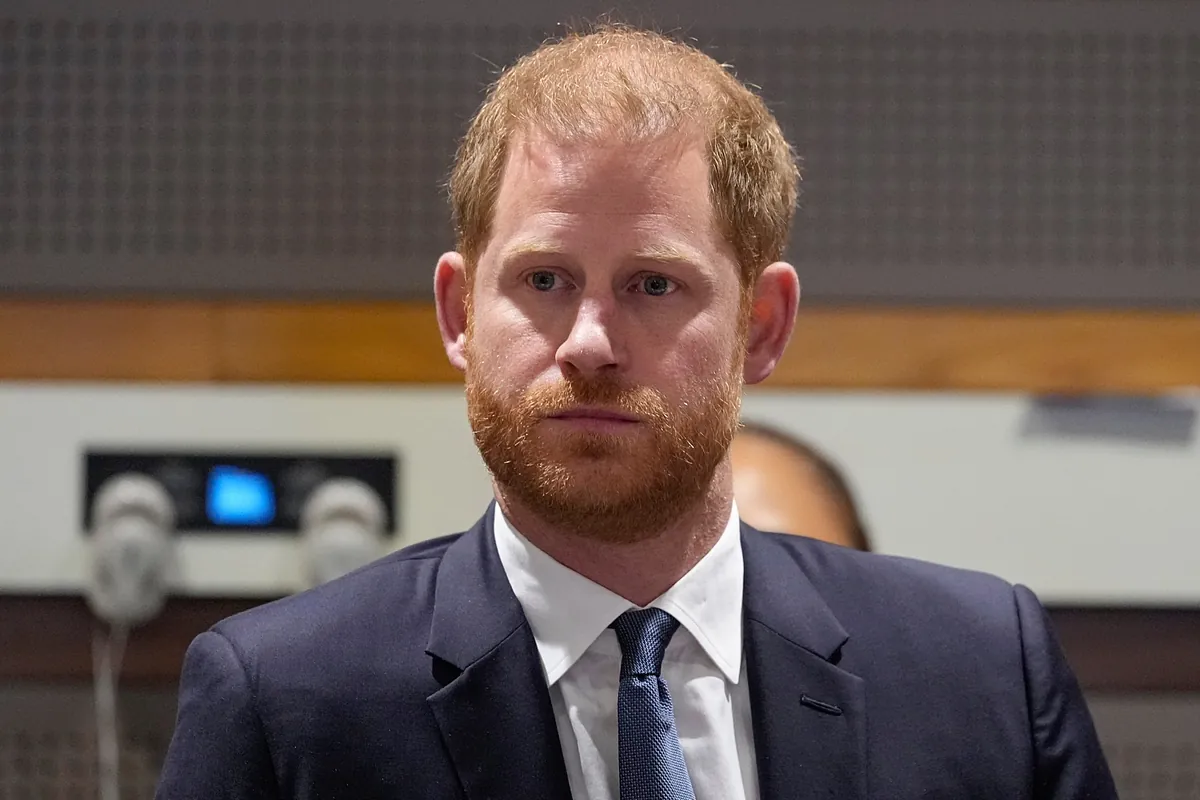
Harry reflects on grief and having a seriously ill parent
The controversy followed a more personal exchange in Harry’s GQ interview, in which he spoke about the emotional challenges of facing the possible loss of a parent.
During the conversation, interviewer Zach Baron shared that his own father had been diagnosed with prostate cancer several years earlier but was doing well. He explained that watching Harry’s experiences had made him think about anticipatory grief, the difficult emotions that can arise when someone knows a loved one may be approaching the end of their life.
Baron asked whether Harry had experienced similar feelings.
“Yes, I have,” the Duke replied.
Harry went on to reflect on how grief is something everyone will encounter at some point, whether through the death of a parent, the loss of both parents or the passing of friends.
He described these experiences as universal, acknowledging that the prospect of losing someone close can affect people long before a death actually occurs.

Harry addresses the emotional impact of his father’s illness
Baron then asked whether Charles’ illness had brought back painful memories for Harry, whose mother, Princess Diana, died in a car crash in Paris in 1997.
He suggested that experiencing the traumatic death of one parent could make having another parent who is unwell particularly difficult.
Harry acknowledged the possibility, responding: “Yes, but he’s getting better.”
His answer offered a brief update on how he views his father’s condition, although he did not provide further medical details.
The Duke also reflected on the different circumstances in which people experience the death of a parent. A sudden loss, particularly one that leaves no opportunity to say goodbye, can present a different kind of pain from a prolonged illness in which loved ones have time to prepare for what may lie ahead.
Neither situation offers an easy way to navigate grief, and Harry’s comments highlighted the emotional complexity of dealing with loss while also facing uncertainty about a loved one’s health.
His remarks have since become part of a wider discussion about the boundaries between personal family matters and public interest, particularly when they involve the British royal family.
While Harry spoke about his experiences in the context of grief and family relationships, the response from Malone and Ferguson focused on whether discussing the King’s health publicly was appropriate, given Charles’ apparent preference for keeping the details of his condition private.