Meghan and Harry’s UK Comeback Faces a Brutal Reality Check: New Poll Reveals Just 5% of Britons Still See Harry as a Working Royal

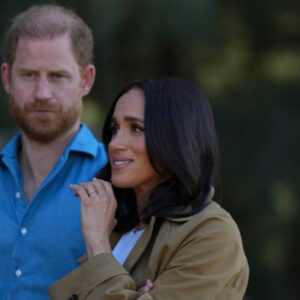
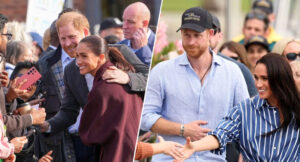
The warm reception in Nottingham may have offered Meghan Markle and Prince Harry a glimpse of the public support they hoped to regain. But beyond the cheering crowds, flowers and balloons, a very different picture is emerging — and the latest polling figures make uncomfortable reading for the Sussexes.
Despite their joint appearance in Nottingham and apparent hints of a renewed interest in public service, the couple’s return to the UK has done little to improve their standing with the British public. An exclusive YouGov survey for HELLO! suggests their popularity has continued to slide, while Harry faces an even bigger problem: most Britons no longer consider him a working member of the Royal Family.

A Nottingham Welcome Couldn’t Stop the Sussexes’ Popularity Slide
After six years away, there were reasons to believe the Duke and Duchess of Sussex might receive a warmer reception on their return to Britain.
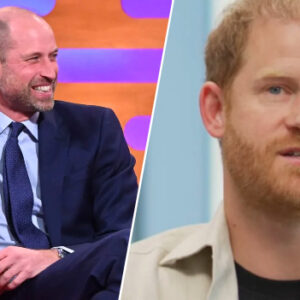
Harry was once the joint most popular member of the Royal Family, sharing that position with his brother, Prince William. His return also raised questions about whether he might finally be willing to repair his fractured relationship with the Prince of Wales.
Their appearance in Nottingham, where they met supporters carrying flowers and balloons, offered a glimpse of what a renewed public role might look like.
But the enthusiasm of those who gathered to see them has not translated into wider public approval.
A new YouGov poll, which has monitored individual royals’ popularity for 15 years, reveals that both Sussexes have suffered further declines.
- Prince Harry: Down six points since his return, recording his lowest rating across four polls conducted this year.
- Meghan Markle: Down five points, reaching her lowest favourability rating ever.
The figures suggest that their highly visible return has not delivered the popularity boost they may have hoped for.

The Numbers Behind Britain’s Changing Attitude
The exclusive survey questioned more than 2,000 people on Thursday and Friday last week, revealing a considerable gap between positive and negative opinions of the couple.
Harry received a positive rating from just 29% of respondents, while 60% expressed a negative opinion. That left him with a net favourability score of -31.
Meghan fared worse, recording a net score of -48 — placing her below everyone else measured except Andrew Mountbatten-Windsor.
The timing of the survey is also notable. It was conducted after Meghan was photographed having lunch with human rights campaigner Malala Yousafzai, but before sexual abuse allegations relating to her father, Thomas Markle Senior.
For Harry, the figures mark a particularly striking shift from his former position in the public’s affections.
He was at his most popular when serving as a working royal, yet he has repeatedly rejected the suggestion that he no longer occupies that role.
When the head of the Royal Household described him as a “private citizen” in September, Harry pushed back with a pointed response:
“We can all live a life of service. Service is universal.”
But does the British public agree?

Just 5% Believe Harry Is Still a Working Royal
Perhaps the most revealing finding comes from a separate YouGov survey commissioned exclusively by HELLO!
When asked whether Harry was carrying out official royal duties, just 5% of respondents considered him a working royal.
Meanwhile:
- 82% said Harry was not a working royal.
- 14% admitted they did not know.
That figure places him below the 15% of respondents who mistakenly believe Princess Beatrice is a working royal.
The question gave participants a clear definition of the role:
“A ‘working royal’ is a member of the British royal family who officially represents the monarch, carrying out public engagements, state duties, and charity patronages on behalf of the Crown. As far as you are aware, which of the following, if any, are working royals?”
The results showed that public recognition varied considerably across the Royal Family.
Prince William came out on top, with 87% correctly identifying him as a working royal.
By contrast, only 15% recognised Prince Richard, Duke of Gloucester, as holding the same status.
For Harry, however, the message was unmistakable: whatever his personal definition of service, the overwhelming majority of Britons do not consider him an official representative of the monarchy.

Harry Faces a Difficult Road Back to Public Trust
Whether Harry pays close attention to public opinion remains unclear. But the latest figures raise two significant questions about his future relationship with Britain.
First, rebuilding his reputation could prove a lengthy challenge. His public criticism of the Royal Family, particularly through television appearances and his memoir, has contributed to the damage surrounding his relationship with the institution.
Second, there appears to be little confusion among the British public about his current position.
Harry may continue undertaking engagements that resemble the duties of full-time working royals, but that does not mean people regard him as one.
The Nottingham crowds may have offered a welcome moment for the Sussexes. Yet the polling suggests that a warm reception from a group of supporters is a very different thing from winning back the confidence of the wider British public.